 Save
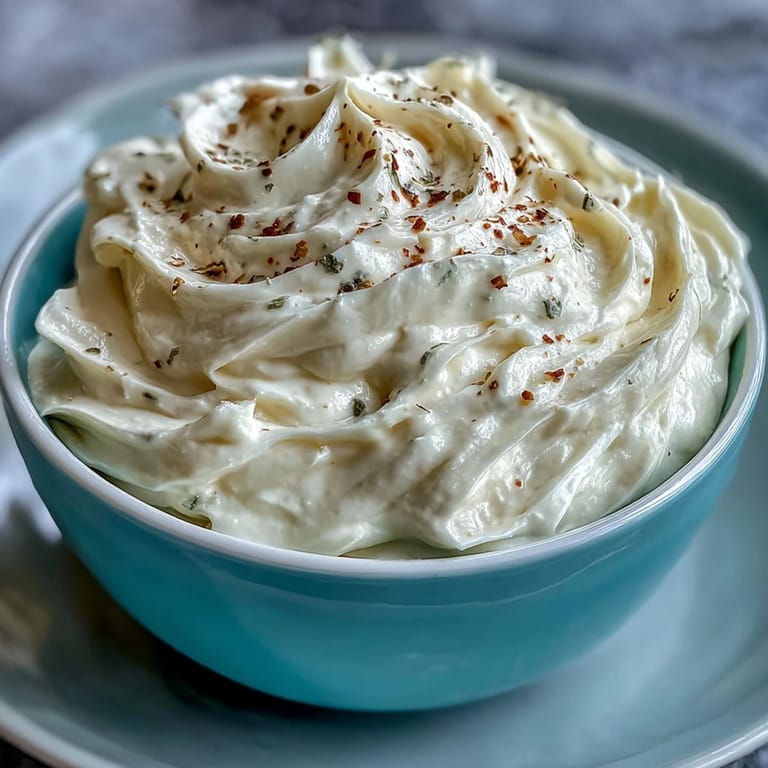
Save You can tell a lot about a kitchen by the sound of an immersion blender whirring—there’s a certain anticipation as rich mayonnaise comes to life in just moments. One rainy afternoon, driven more by curiosity than necessity, I decided to make mayo from scratch instead of reaching for the store-bought jar. The aroma of fresh mustard and tangy vinegar hit first, swirling together as the blend began. I remember searching for the tallest jar I owned, worried I’d splash everywhere. It felt more like an experiment than a recipe—and it’s the kind of thing that makes cooking wonderfully unpredictable.
The first time I whipped up this mayo for lunch sandwiches, my friend Sam joked that it tasted “too fresh” as if it actually mattered. We ended up dipping carrot sticks right into the jar and laughing about how we’d never return to bland store brands. That afternoon, even the cleanup felt like part of the fun—especially after noticing my sleeve was flecked with little oil dots I missed.
Ingredients
- Egg (room temperature): Using a room temperature egg guarantees the smoothest emulsion; I learned to let it sit out while I prep everything else.
- Dijon mustard: This brings subtle heat and bite—it’s what makes homemade mayo so much brighter than the usual kind.
- White wine vinegar or lemon juice: Acid is the backbone of the flavor; lemon makes it lively while vinegar keeps it classic.
- Neutral oil: I go for sunflower or canola to keep the taste pure, but lighter olive oil is lovely if you don’t mind a hint of green flavor.
- Fine sea salt: Sprinkle this in and you’ll notice how much better the mayo pops—don’t skip it.
- Freshly ground black pepper (optional): Just a pinch brings out a little complexity, especially if I’m making it for dips.
Tired of Takeout? 🥡
Get 10 meals you can make faster than delivery arrives. Seriously.
One email. No spam. Unsubscribe anytime.
Instructions
- Prep Your Container:
- Grab the tallest, narrowest jar or container you find—it helps the mayo blend up fast and minimizes mess.
- Add the Base Ingredients:
- Crack the egg in first, then leave in the mustard, vinegar or lemon juice, salt, and pepper. The scent of vinegar will hit you as everything settles.
- Pour the Oil:
- Slowly pour the oil right on top, letting it sit above the base for easy blending.
- Blend for Emulsion:
- Sink the immersion blender all the way to the bottom, turn it on, and watch the creamy mayo bubble up—hold steady for about 10 seconds.
- Finish the Blending:
- As things thicken, gently move the blender up and down until the mixture turns lush and smooth—usually done in under a minute.
- Check Seasoning:
- Spoon out a taste; adjust salt, pepper, or extra acid as needed for your preferred tang.
- Store Safely:
- Scoop into a clean glass jar, seal with a lid, and refrigerate. Use it within a week for the best flavor and freshness.
 Save
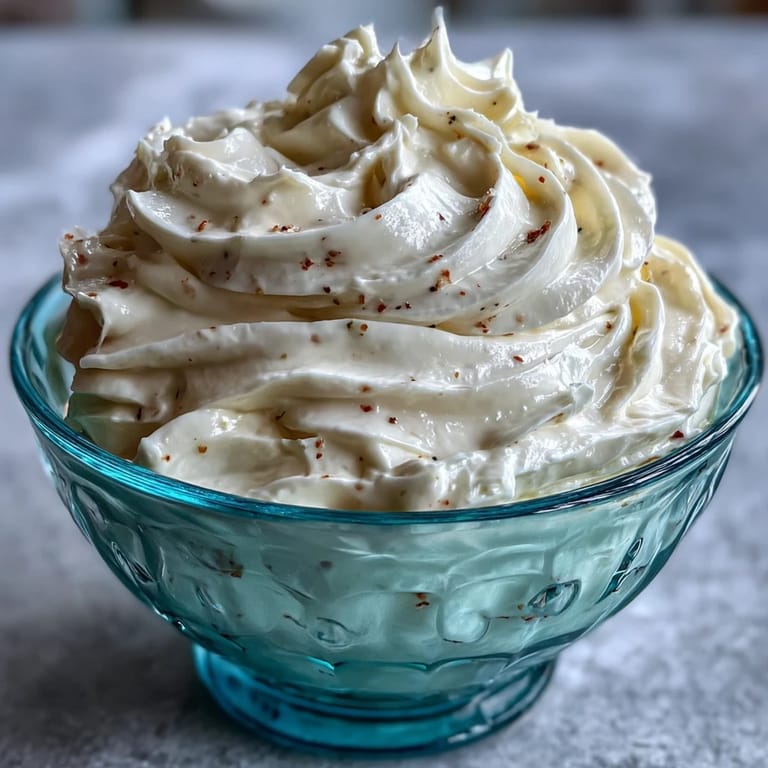
Save One Sunday, making this mayo became more than a condiment—it transformed ordinary roasted potatoes into something guests would later ask about. Amid laughter and chatter in the kitchen, people kept coming back for more drizzles, and suddenly, my homemade mayonnaise felt like a tiny secret I could share.
How To Customize Your Mayo
Sometimes I toss in a crushed garlic clove for an instant aioli, or blend fresh herbs from the garden for a green, summery twist. Milder oils keep things classic, but olive oil brings out a bold, peppery note that’s perfect for grilled vegetables. With a little creativity you can tailor this basic recipe to match any mood or meal.
Making It Ahead and Storing
After a few trials, I learned homemade mayo stays beautifully thick for about a week in the fridge—though mine rarely lasts beyond a few days. Always use a clean spoon for scooping; it prevents odd separation or spoilage and keeps the flavor lively. When I make it ahead for gatherings, I add an extra splash of lemon just before serving for extra brightness.
Troubleshooting and Last Minute Fixes
If your mayonnaise doesn’t set or stays runny, start over with a fresh egg and blend slowly. Letting eggs sit at room temperature is a game changer for texture. If you want more tang, mixing in another splash of vinegar after blending works wonders.
- Adding a little warm water can loosen overly thick mayo.
- Always taste before you finish—seasoning can change from batch to batch.
- Never underestimate the difference a squeeze of lemon makes at the end.
 Save
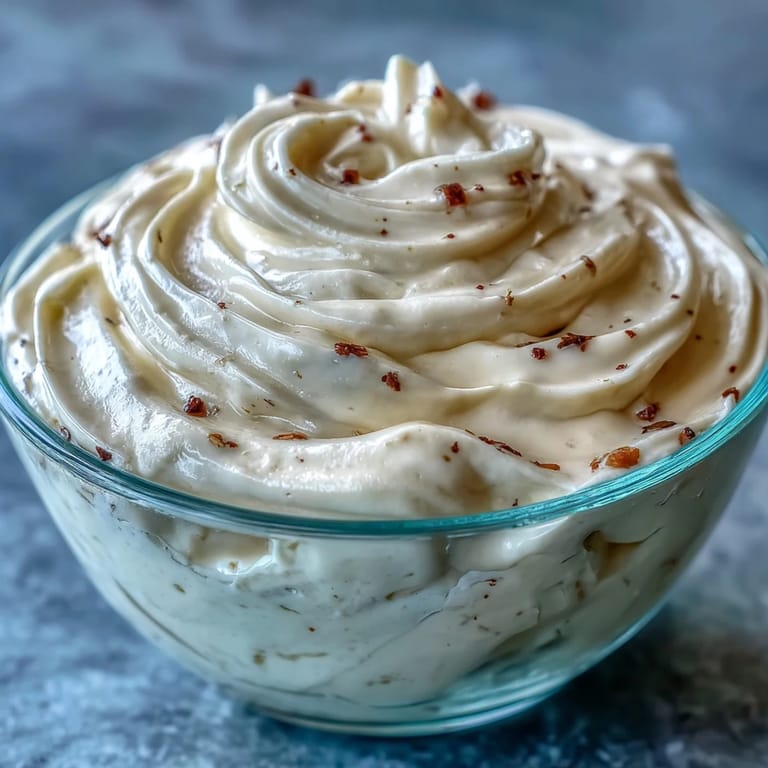
Save Homemade mayonnaise is a small kitchen victory every time—smooth, bright, and so easy you’ll find excuses to make it again. Let it inspire playful sandwiches, salads, and dipping moments throughout your week.
Recipe FAQs
- → Why use an immersion blender for mayonnaise?
An immersion blender quickly emulsifies ingredients, producing creamy mayonnaise with minimal effort and consistent results.
- → Can I substitute olive oil for neutral oil?
Yes, but olive oil imparts a stronger flavor. Light olive oil or mixing with neutral oils produces milder mayonnaise.
- → How can I make the mayonnaise tangier?
Add up to 2 teaspoons extra vinegar or lemon juice for added tang and brightness.
- → Is it safe to use raw eggs?
If concerned about raw eggs, use pasteurized eggs to reduce risk and retain quality.
- → How can I add more flavor?
Blend in garlic for aioli or adjust salt, pepper, and acidity to taste for customized flavor profiles.
- → How long will homemade mayonnaise last?
Store in a clean jar, sealed tightly, and refrigerate. Use within one week for best quality and safety.