 Save
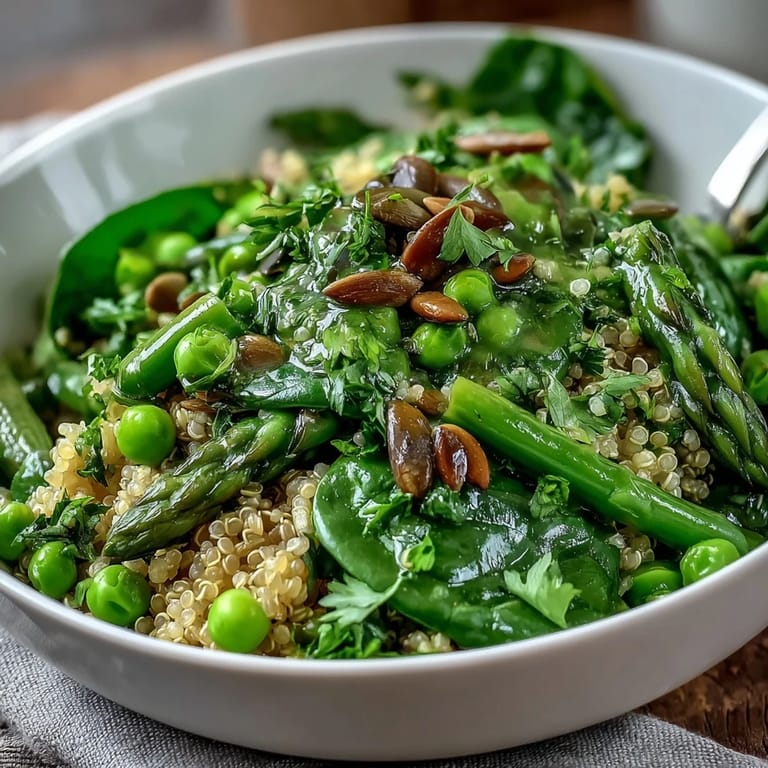
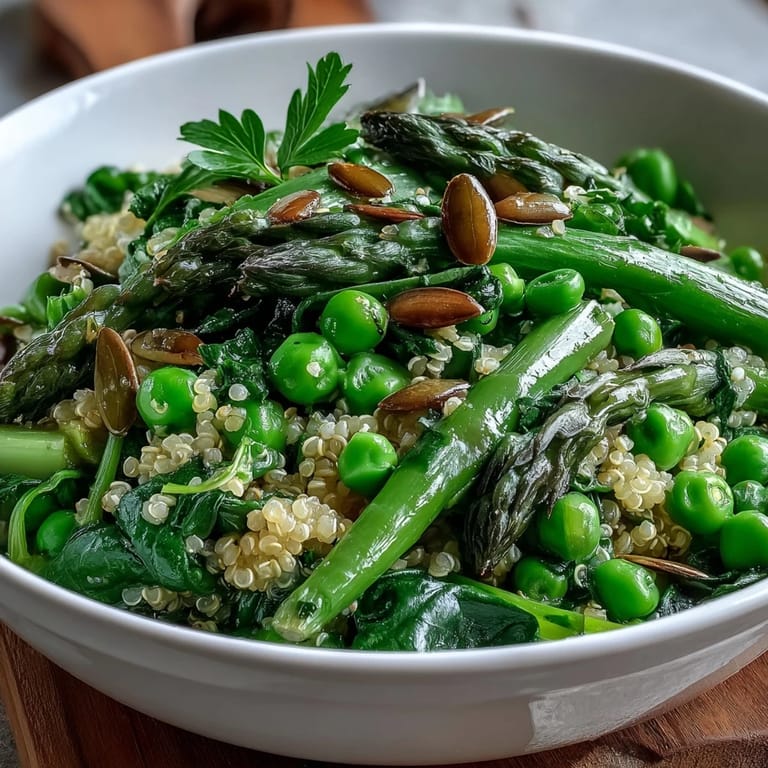
Save Last spring, I stood in my kitchen on a Saturday morning when everything felt a bit too heavy, and I realized I needed something bright and alive on my plate. The farmers market had just overflowed with those first tender green vegetables—peas still in their pods, asparagus so fresh it practically squeaked—and I found myself building this bowl almost by accident. It became the thing I kept making when I wanted to feel nourished without feeling like I'd spent hours cooking. There's something about layers of spring vegetables that just makes you feel like you're doing something right.
I made this for my sister when she was visiting and going through one of those phases where she wanted to eat lighter. She sat at my counter while I blanched the vegetables, and the smell of fresh asparagus hitting hot water somehow made the whole thing feel like spring had actually arrived in my kitchen. She took one bite and asked for the recipe, which is really the highest compliment anyone can give you.
Ingredients
- Quinoa, brown rice, or farro (1 cup): Pick whichever grain feels right to you—quinoa cooks fastest and has a nice texture, but brown rice feels more substantial if that's what you're after.
- Fresh or frozen green peas (1 cup): I actually prefer frozen here because they're picked at peak ripeness and blanch more evenly than fresh ones sometimes do.
- Asparagus (1 cup, cut into 2-inch pieces): Look for spears that feel firm when you bend them gently, and trim from the bottom where they naturally want to snap.
- Green beans (1 cup, trimmed and cut): These add a satisfying bite and help balance the softer peas and asparagus.
- Baby spinach (2 cups): A quick wilt is all it needs—don't overthink this part or it turns into something sad.
- Extra-virgin olive oil (3 tbsp): This really matters for the dressing, so use something you actually like tasting on its own.
- Fresh lemon juice and zest: Bottled juice won't give you the same brightness that makes this whole bowl come alive.
- Dijon mustard (1 tsp): This tiny amount is what keeps the dressing from tasting flat and one-note.
- Maple syrup or honey (1 tsp): Just enough to balance the sharp lemon and mustard.
- Garlic (1 small clove, minced): Fresh garlic only—jarred won't do the trick here.
- Toasted pumpkin or sunflower seeds: Toast them yourself if you can; they taste so much better than pre-toasted.
- Feta cheese (¼ cup, crumbled): Optional, but it adds a salty note that makes everything taste more interesting.
- Fresh herbs (mint, parsley, or dill): Any of these work, but they should be fresh and chopped just before serving.
Tired of Takeout? 🥡
Get 10 meals you can make faster than delivery arrives. Seriously.
One email. No spam. Unsubscribe anytime.
Instructions
- Rinse and cook your grains:
- Run cold water over your grains until it runs clear—this gets rid of any dust and keeps them from clumping. Bring salted water to a boil, add grains, turn the heat down low, cover, and let them simmer until tender (quinoa takes about 15 minutes, brown rice closer to 35, but check your package). When they're done, fluff with a fork and set aside.
- Blanch the spring vegetables:
- Get a big pot of salted water boiling—this is important because the salt actually seasons the vegetables as they cook. Blanch each vegetable separately for just 2 to 3 minutes until they're bright green and tender-crisp, then immediately shock them in ice water to stop the cooking. This keeps them from turning into mush, which I learned the hard way.
- Wilt the spinach gently:
- Heat a skillet over medium heat and add your spinach straight from the bag. It'll look like way too much at first, but trust the process—it collapses down in just a minute or two. The second it stops looking raw, take it off the heat; spinach cooked too long becomes bitter and sad.
- Whisk the dressing until it comes together:
- In a small bowl, whisk the olive oil, lemon juice, zest, mustard, maple syrup, and minced garlic together until it looks emulsified and creamy. Taste it and adjust with salt and pepper—this is your moment to make it exactly what you want it to be.
- Build your bowls with intention:
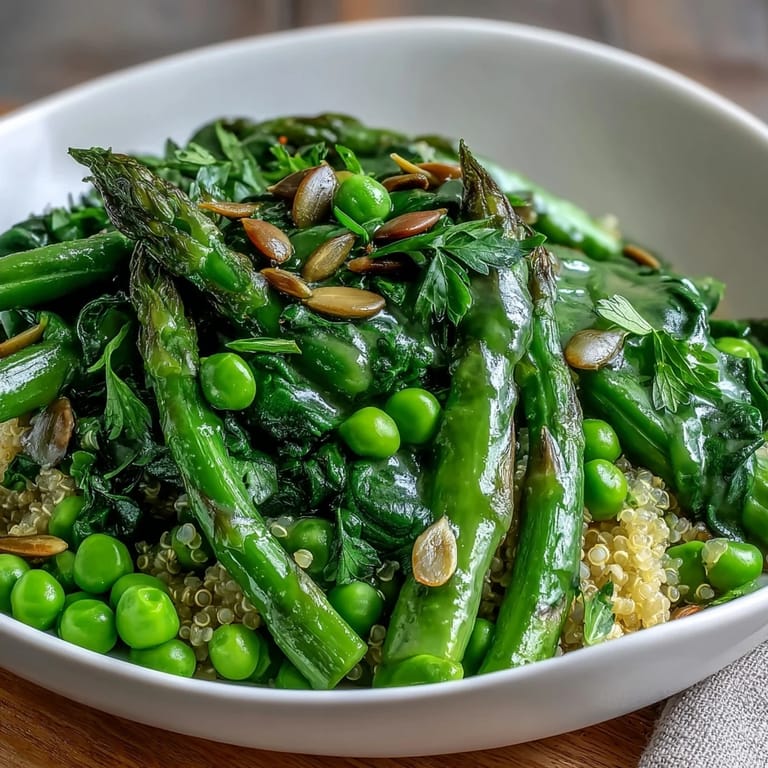
- Divide the cooked grains among four bowls, then arrange all your vegetables on top in whatever way makes you happy. Drizzle the dressing over everything while it's still slightly warm so the flavors meld together.
- Finish with the good stuff:
- Sprinkle seeds, crumbled feta if you're using it, and fresh herbs over each bowl right before you eat. Serve immediately so everything stays fresh and bright.
 Save
Save There was a moment last summer when I brought this bowl to a potluck and watched people actually choose it over the heavier dishes. That's when I realized it wasn't just lunch for me anymore—it had become the thing I make when I want everyone at the table to feel like they're eating something that actually cares about them.
Why This Bowl Became My Spring Ritual
Something shifted when I realized this wasn't about being healthy or virtuous. It was genuinely delicious, and that matters more than anything else. The combination of tender grains, crisp vegetables, and that sharp lemon dressing creates something that feels complete and satisfying. I stopped thinking of it as a salad and started thinking of it as a real meal, which made all the difference in how often I actually wanted to eat it.
Switching It Up Based on What You Have
I've made this with farro when quinoa ran out, with roasted beets added in when they looked good at the market, and even with chickpeas stirred through when I wanted more protein. The structure is flexible enough to handle swaps without falling apart, which is honestly why I keep coming back to it. Once you understand how it works—grain base, blanched vegetables, wilted greens, bright dressing—you can build it in a thousand different ways.
Prep and Storage Wisdom
I learned quickly that the vegetables need to stay separate from the dressing until you're actually eating, or everything gets soggy and sad. But you can absolutely blanch the vegetables the morning of, store them in a container, and assemble the bowls at lunch. The dressing keeps in the fridge for three days and actually tastes better the next day once the flavors have had time to get to know each other.
- Keep your dressing in a jar and shake it well before drizzling so it stays emulsified.
- Toast your seeds fresh the morning you're eating if you have time—they taste so much better than pre-toasted ones.
- Add any soft herbs right before serving so they don't wilt into nothing.
 Save
Save This bowl has become the thing I make when I want to feel good about what I'm eating and actually enjoy it at the same time. It's the recipe I come back to over and over because it never lets me down.
Recipe FAQs
- → Can I use frozen vegetables instead of fresh?
Yes, frozen peas work wonderfully in this bowl. For asparagus and green beans, fresh is recommended as they maintain better texture when blanched, but frozen can be used in a pinch—just reduce blanching time to 1-2 minutes.
- → How long does this keep in the refrigerator?
The components can be stored separately for up to 4 days. Keep the dressing in a sealed container and add fresh greens just before serving. For best results, store grains and vegetables in airtight containers.
- → What grains work best as the base?
Quinoa, brown rice, and farro all provide excellent texture and nutrition. Bulgur and couscous are quicker alternatives. Choose based on your time availability—quinoa cooks fastest at 15 minutes, while brown rice takes about 35.
- → Can I make this vegan?
Absolutely! Simply omit the feta cheese and use maple syrup instead of honey in the dressing. The bowl remains satisfying and protein-rich through the grains and vegetables alone.
- → How do I blanch vegetables properly?
Bring salted water to a rolling boil, add vegetables, and cook for 2-3 minutes until bright green but still crisp. Immediately transfer to ice water to stop cooking and preserve color. Drain well before assembling.
- → What proteins can I add to make it more filling?
Grilled chicken, baked tofu, roasted chickpeas, or hard-boiled eggs all complement the fresh flavors. For plant-based protein, try adding edamame or white beans directly to the grain base.