 Save
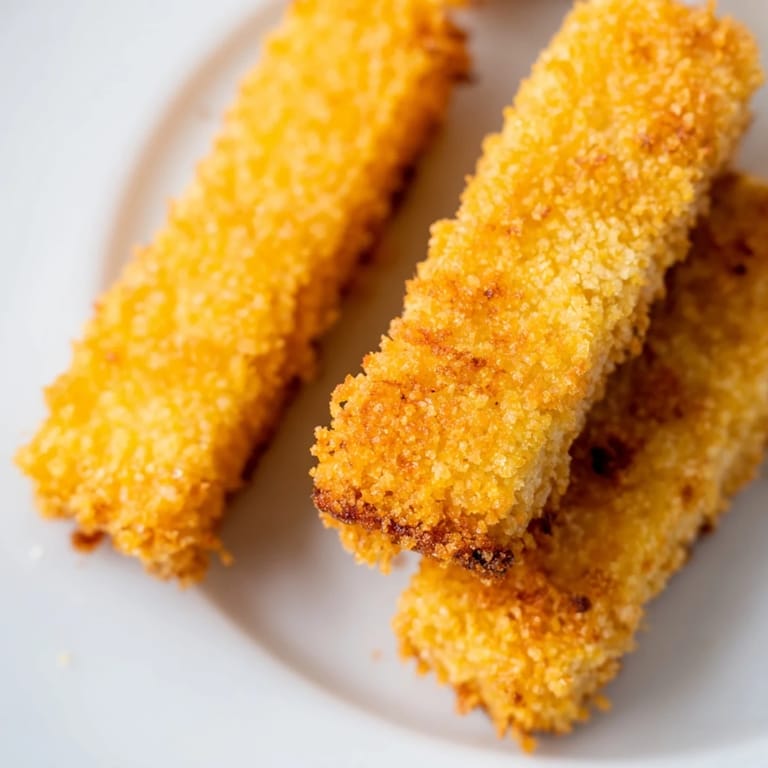
Save My flatmate came home one night with a block of halloumi and a wild idea to coat it like chicken schnitzel. We stood at the stove, skeptical but curious, watching these golden planks sizzle and puff. The first bite was a revelation: crispy shell, squeaky molten center, utterly addictive. We burned through the entire block in minutes, laughing at how something so simple could taste this good. That night turned into a weekly ritual.
I made these for a summer barbecue once, thinking they'd be a side dish. They disappeared before the burgers even hit the grill. People crowded around the platter, squeezing lemon over the golden sticks and dipping them into every sauce I'd set out. One friend declared them better than mozzarella sticks, and honestly, I couldn't argue. The smoky paprika and that perfect crunch won everyone over.
Ingredients
- Halloumi cheese: This Cypriot cheese is the star because it holds its shape under heat, giving you that signature squeaky texture inside a crispy shell.
- Panko breadcrumbs: Japanese-style panko creates a lighter, airier crust than regular breadcrumbs, and it fries up incredibly crunchy without getting greasy.
- All-purpose flour: The flour layer helps the egg stick and creates a foundation for the panko to cling to, ensuring every bite is fully coated.
- Eggs: Beaten eggs act as the glue that binds the flour and panko together, forming that golden armor around the cheese.
- Black pepper and smoked paprika: These seasonings add depth and a hint of smokiness to the coating without overpowering the salty cheese.
- Lemon wedges: A squeeze of fresh lemon cuts through the richness and adds a bright, zesty contrast that makes each bite feel lighter.
- Hot sauce: A spicy dip brings heat and tang, balancing the creamy, salty halloumi with a kick that keeps things interesting.
- Neutral oil: Sunflower or canola oil heats evenly and doesn't add competing flavors, letting the panko turn golden and crisp without burning.
Tired of Takeout? 🥡
Get 10 meals you can make faster than delivery arrives. Seriously.
One email. No spam. Unsubscribe anytime.
Instructions
- Prep the halloumi:
- Pat the cheese dry with paper towels to remove excess moisture, which helps the coating stick better. Slice it into even batons or rectangles about 1 cm thick so they cook uniformly.
- Set up your dredging station:
- Arrange three plates or shallow bowls: one with seasoned flour, one with beaten eggs, and one with panko breadcrumbs. This assembly line makes coating quick and tidy.
- Coat each piece:
- Dredge a halloumi piece in the flour, shake off the excess, dip it into the egg, then press it firmly into the panko to cover all sides. The gentle pressure helps the crumbs adhere and creates a thicker crust.
- Heat the oil:
- Pour the oil into a large frying pan and heat over medium-high until it shimmers and a breadcrumb dropped in sizzles immediately. If the oil is too cool, the coating will absorb grease and turn soggy.
- Fry in batches:
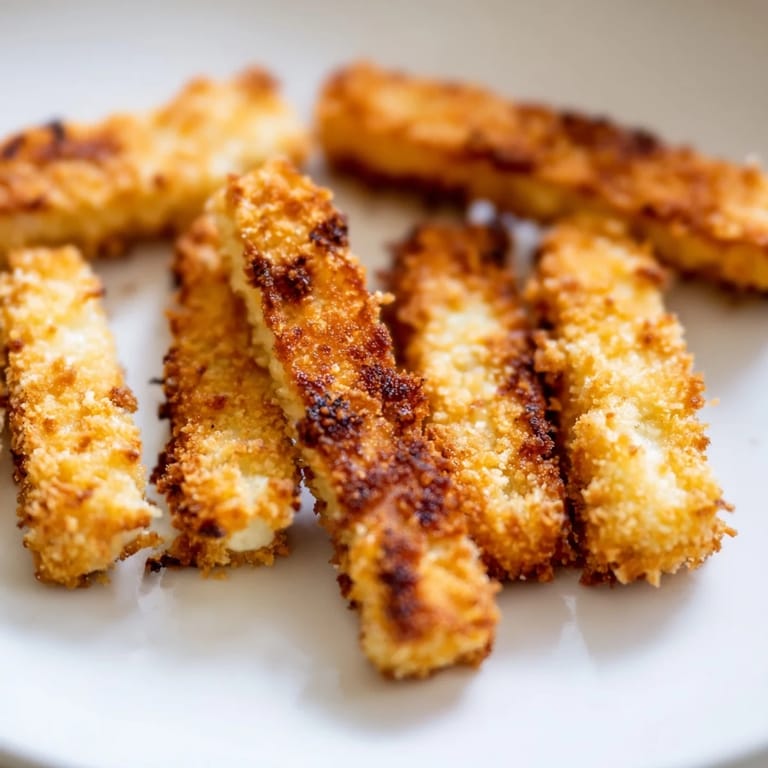
- Add a few pieces at a time without crowding the pan, and fry for 2 to 3 minutes per side until deep golden brown. Overcrowding lowers the oil temperature and makes the crust less crispy.
- Drain and serve:
- Lift the fried halloumi out with a slotted spoon and set on a paper towel-lined plate to drain excess oil. Serve them hot with lemon wedges and your favorite hot sauce for dipping.
 Save
Save There's something deeply satisfying about watching someone take their first bite of crispy panko halloumi. Their eyes widen at the crunch, then they pause at the chewy, salty center, and finally they reach for another piece before they've even finished chewing. It's the kind of food that sparks conversation and turns a quiet evening into a lively one. Every time I make these, I'm reminded that the best recipes are the ones people can't stop talking about.
Choosing Your Halloumi
Not all halloumi is created equal, and I learned this the hard way after buying a budget block that turned rubbery and bland. Look for halloumi made in Cyprus or with a high milk fat content, which fries up creamier and more flavorful. Some brands are saltier than others, so if you're sensitive to salt, soak the slices in cold water for 10 minutes before coating. Fresh halloumi from a deli counter often has a softer, more luxurious texture than vacuum-sealed supermarket blocks. Trust me, the extra dollar or two is worth it when every bite tastes like the real thing.
Getting the Perfect Crunch
The secret to that restaurant-quality crunch is all about temperature and patience. Heat your oil until a panko crumb sizzles on contact but doesn't brown instantly, usually around 180°C if you have a thermometer. Don't flip the halloumi too soon; let it fry undisturbed for a full 2 to 3 minutes so the crust sets and turns golden before you touch it. If the coating starts to brown too fast, lower the heat slightly and give the cheese more time to warm through. I once rushed a batch and ended up with burnt breading and cold centers, a mistake I won't repeat. Let the sizzle guide you, and you'll nail it every time.
Serving and Pairing Ideas
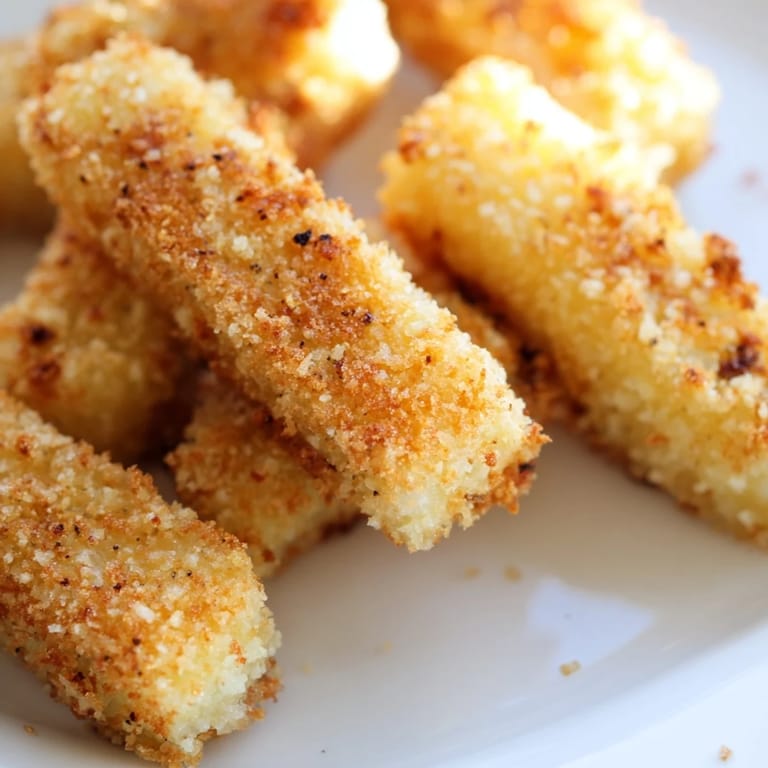
These crispy halloumi sticks shine brightest when served immediately, but they're versatile enough to fit into almost any meal. Pile them on a platter with lemon wedges, hot sauce, and a yogurt-based dip like tzatziki or garlic aioli for a party spread. Tuck them into warm pita with shredded lettuce, tomatoes, and a drizzle of tahini for a quick vegetarian wrap. I've even crumbled leftover pieces over a Greek salad for added crunch and protein. The key is to serve them hot, when the contrast between the crispy coating and the tender cheese is at its peak.
- Add a pinch of dried oregano or chili flakes to the panko for an herby or spicy twist.
- Swap the hot sauce for a sweet chili dip or mango chutney if you prefer a fruity contrast.
- Pair with a crisp white wine or a cold beer to balance the richness and salt.
 Save
Save Once you've tasted halloumi this way, it's hard to go back to plain grilled slices. The crispy panko shell turns a simple cheese into something crave-worthy, the kind of dish you'll find yourself making on a whim whenever you need a quick win in the kitchen.
Recipe FAQs
- → Why is my halloumi not getting crispy?
Ensure the oil is properly heated to medium-high and shimmering before frying. Don't skip pressing the panko coating onto the cheese—this helps it adhere and crisp up. Fry for 2-3 minutes per side; longer cooking produces a crispier exterior.
- → Can I prepare halloumi in advance?
Yes, you can coat the halloumi slices up to 2 hours ahead and refrigerate them. This actually helps the coating adhere better. Fry them just before serving for optimal crispiness and warmth.
- → What's the best oil for frying halloumi?
Use neutral oils with high smoke points like sunflower, canola, or vegetable oil. Avoid olive oil, which has a lower smoke point. Neutral oils allow the halloumi's flavor to shine without competing tastes.
- → Why does halloumi have a high melting point?
Halloumi's high melting point comes from its unique composition and the way it's made. This characteristic allows it to be fried or grilled without completely melting, making it ideal for cooking applications.
- → What are good dipping alternatives to hot sauce?
Try cooling Greek yogurt mixed with garlic and herbs, creamy tzatziki, spicy sriracha mayo, or tangy harissa-infused sour cream. Pesto or chimichurri also complement the cheese beautifully for varied flavor profiles.
- → How should I store leftover halloumi?
Store cooled halloumi in an airtight container in the refrigerator for up to 2 days. Reheat gently in a warm skillet or oven rather than microwaving to maintain texture. Best enjoyed fresh, but leftovers work well in salads or grain bowls.