 Save
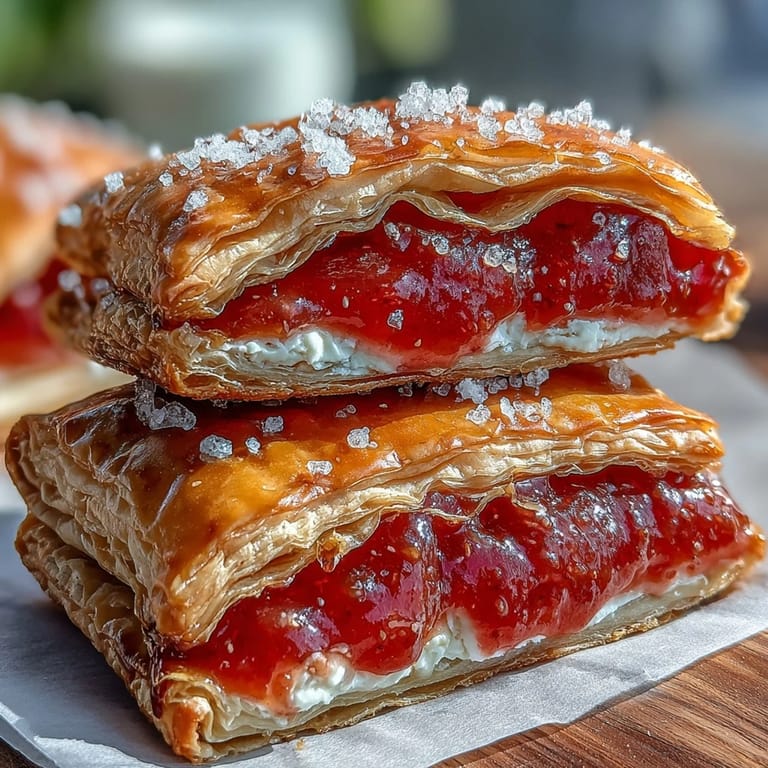
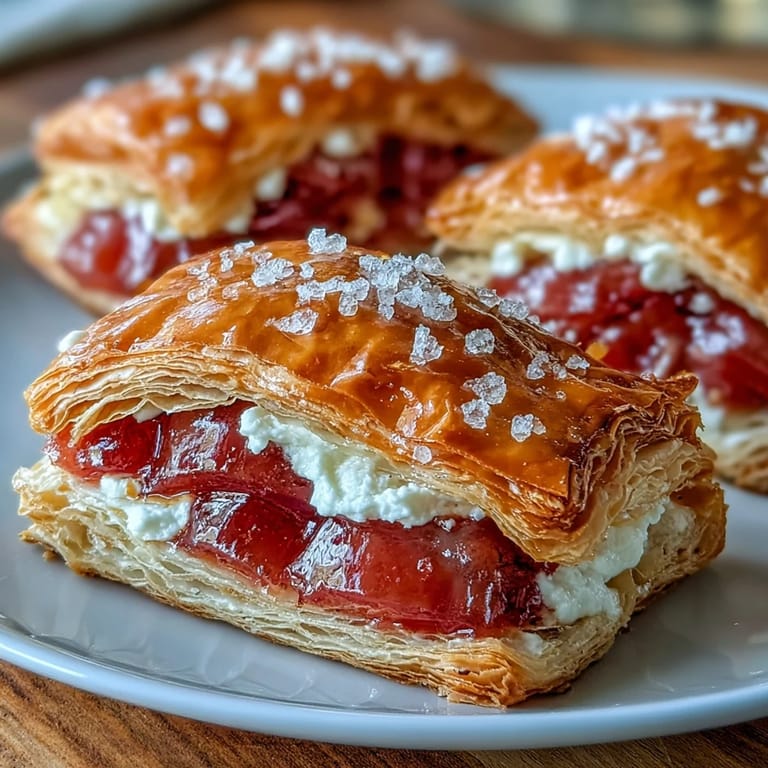
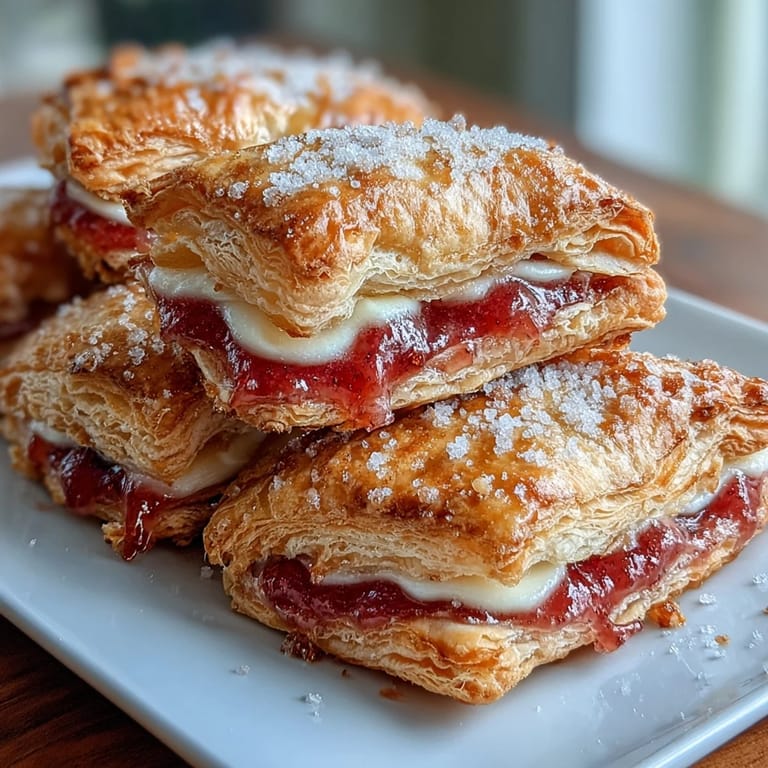
Save My neighbor Maria handed me a warm pastelito through her kitchen window one morning, and I bit into that crispy, flaky exterior to find the most unexpected combination—sweet guava paste melting into tangy cream cheese. She laughed at my surprised expression and said it was nothing fancy, just something her abuela had made for decades. That single pastry changed how I thought about breakfast, and now I find myself making these whenever I want to feel connected to something timeless and comforting.
I made these for my book club last spring, and watching everyone's faces when they bit through that golden crust was worth every minute. Someone asked if I'd bought them from a bakery, and when I admitted they were homemade, the whole room got quiet in that special way that means the food just became part of the memory.
Ingredients
- Puff pastry sheets: Thawed puff pastry is your secret weapon here—it does the real work while you focus on assembly, and those butter layers create that shatter-when-you-bite texture that makes people smile.
- Guava paste: This is the heart of the whole thing, bringing bright, tropical sweetness that somehow feels both nostalgic and exotic at once.
- Cream cheese: Softened and creamy, it balances the guava's intensity and adds a subtle tang that keeps these from being one-note sweet.
- Egg wash: One beaten egg gives you that burnished golden finish that makes everything look professional and intentional.
- Granulated sugar: Optional, but that light crunch on top adds texture and catches the light beautifully.
Tired of Takeout? 🥡
Get 10 meals you can make faster than delivery arrives. Seriously.
One email. No spam. Unsubscribe anytime.
Instructions
- Get your workspace ready:
- Preheat your oven to 200°C while you line a baking sheet with parchment paper—this small step saves you from sticky situations and burnt bottoms.
- Cut your pastry:
- Roll out each thawed puff pastry sheet gently on a lightly floured surface, then cut them into 8 equal rectangles each, so you end up with 16 pieces total. The edges should be neat and square for proper sealing.
- Build your foundation:
- Lay half of your rectangles on the prepared baking sheet, spacing them so they have room to puff up and expand without touching.
- Add the filling:
- On each base rectangle, arrange a thin slice of guava paste and about a tablespoon of softened cream cheese, leaving a border around the edges—this matters because it's what keeps your pastelitos sealed.
- Seal and crimp:
- Brush the edges with a bit of water, then top each with another pastry rectangle and press down gently but firmly. Use a fork to crimp all the edges for a rustic seal and visual appeal.
- Score and brush:
- Make gentle score marks on the tops with a knife to let steam escape, then brush everything with beaten egg for that gorgeous golden finish. If you're using sugar, sprinkle it now while the egg is still wet.
- Bake to golden:
- Bake for 18 to 20 minutes until the pastries are puffed and deeply golden—you'll know they're ready when your kitchen smells like butter and caramelized sugar.
- Cool slightly:
- Let them rest for a few minutes before serving so the filling sets just enough but everything stays warm and the guava paste is still soft.
 Save
Save These pastelitos became my grandmother's favorite thing to request when she visited, and I realized it wasn't just about the taste—it was that she saw me making something Cuban, something that connected us to our family's story. Every time I fold that pastry, I'm holding that moment.
The Magic of Guava and Cream Cheese
The reason this combination works so well is almost chemistry—the sharp, tangy cream cheese cuts through the guava's sweetness just enough to make you want another bite immediately. I've tried variations with ricotta or mascarpone, and while they're fine, they're missing something that only cream cheese brings to the table. There's a reason this pairing has survived generations in Cuban kitchens.
Timing and Temperature Matter More Than You'd Think
The oven temperature is crucial because you need that high heat to puff the pastry before the filling starts leaking out, but not so hot that the outside burns before the inside cooks. I learned this the hard way once when I tried to save time by cranking the heat, and ended up with golden outsides and cold centers. Twenty minutes at 200°C is the sweet spot where magic actually happens.
Serving, Storing, and Small Moments
Warm pastelitos taste best, but they're honestly just as good at room temperature, which makes them perfect for packing into lunchboxes or bringing to someone's house. They keep well in an airtight container for three days, though they never seem to last that long in my kitchen. The beauty of this recipe is that it feels special enough for guests but simple enough for a quiet Tuesday morning.
- Serve with strong Cuban coffee or a cold glass of milk to balance the sweetness.
- If you can't find guava paste, quince paste works beautifully and brings a slightly different flavor story.
- Make them ahead and reheat in a 180°C oven for five minutes if you want them warm but don't want last-minute stress.
 Save
Save These pastelitos carry something beyond recipe instructions—they're an invitation to connect with food that feels both humble and celebratory. Make them once, and you'll understand why they've earned their place in family kitchens for generations.
Recipe FAQs
- → What are pastelitos?
Pastelitos are traditional Cuban pastries made with puff pastry and various fillings. The most popular combination features sweet guava paste paired with cream cheese, creating a perfect balance of tropical sweetness and rich creaminess.
- → Can I make these ahead of time?
Yes, you can assemble the pastelitos and refrigerate them for a few hours before baking. Alternatively, freeze unbaked pastries on a baking sheet, then transfer to a freezer bag. Bake from frozen, adding a few extra minutes to the cooking time.
- → What can I use instead of guava paste?
Quince paste (membrillo) makes an excellent substitute with a similar texture and flavor profile. You can also use fig paste, thick fruit preserves, or even dulce de leche for a different but equally delicious variation.
- → Why do my pastries leak during baking?
Leaking usually occurs from overfilling or inadequate sealing. Use about one tablespoon of filling per pastry and ensure you press the edges firmly together. Crimping with a fork creates a tight seal and helps prevent the filling from escaping.
- → How should I store leftover pastelitos?
Store cooled pastries in an airtight container at room temperature for up to two days. For longer storage, refrigerate for up to five days. Reheat in a 180°C (350°F) oven for 5-8 minutes to restore crispiness.
- → Can I use homemade puff pastry?
Absolutely! Homemade puff pastry will yield excellent results, though store-bought provides a convenient shortcut. If making your own, ensure the dough is thoroughly chilled before working with it to maintain the flaky layers.