 Save
Save My abuela used to make brazo gitano on Sunday afternoons, and the kitchen would fill with this sweet, pillowy aroma that made everyone drift toward the counter like magnets. I watched her flip that delicate sponge cake onto a towel with the confidence of someone who'd done it a thousand times, though her hands always trembled just slightly as she rolled it. The first time I tried making it myself, I was convinced I'd ruin everything, but something clicked when I understood it was really just three simple components working in harmony. Now whenever I make this Puerto Rican treasure, I'm transported back to those afternoons, and somehow my version tastes a little more like home each time.
I brought one to a potluck last spring, and a friend who grew up in Puerto Rico took one bite and actually closed her eyes, then asked for the recipe immediately. That moment taught me something about food beyond technique—it's about carrying someone's memories and culture on a plate, and getting it right matters more than I realized.
Ingredients
- Eggs (7 total): You're splitting them intentionally here—yolks make the cake rich and tender, while whites create that cloud-like structure that makes people gasp when they taste it.
- Granulated sugar (250 g total): Divided between the yolk mixture and the egg whites, it sweetens the cake while helping stabilize that glossy meringue that crowns the whole thing.
- Vanilla extract: A teaspoon goes into the yolk mixture and adds a warmth that plays beautifully against the guava's tartness.
- All-purpose flour (120 g): Sifted and folded gently, it gives structure without weighing down the airy crumb, so the cake stays light enough to roll without cracking.
- Salt (1/4 tsp): A small amount brightens the vanilla and balances the sweetness across the entire dessert.
- Guava paste (225 g): The soul of this dessert—look for real guava paste in the Latin foods aisle, and warm it slightly with water so it spreads without tearing your cake.
- Egg whites (3 for topping): These become the meringue that makes the whole presentation elegant and adds a textural contrast to the soft cake and sweet filling.
- Cream of tartar (1/2 tsp, optional): If you have it on hand, it stabilizes the egg whites slightly, though I've made this plenty of times without it and gotten beautiful results.
Tired of Takeout? 🥡
Get 10 meals you can make faster than delivery arrives. Seriously.
One email. No spam. Unsubscribe anytime.
Instructions
- Set the stage:
- Heat your oven to 180°C (350°F) and line a 10x15 inch jelly roll pan with parchment paper, then give it a light grease so the cake releases cleanly. This pan size matters—it ensures your cake bakes evenly and rolls without fighting you.
- Build the yolk base:
- Beat your separated egg yolks with half the sugar and vanilla extract until the mixture turns pale and thick, almost tripled in volume—this takes about 3 minutes with an electric mixer and aerates the batter beautifully. The paler it gets, the lighter your final cake will be.
- Whip the egg white peaks:
- In a completely separate, grease-free bowl, whisk the egg whites with the remaining sugar and salt (and cream of tartar if using) until stiff peaks form—you're looking for that moment when the peaks stand up straight and don't bend. This is your cake's secret weapon for staying tender and airy.
- Marry the mixtures:
- Fold the fluffy egg whites into the yolk mixture using a rubber spatula, turning the bowl and cutting down the center with each fold—do this slowly and gently so you don't deflate all that hard-earned air. Then sift in the flour and fold just until no white streaks remain; you'll feel the moment it comes together.
- Bake with confidence:
- Spread the batter evenly into your pan and bake for 12 to 15 minutes, just until the cake springs back when you touch the center lightly—it should smell buttery and vanilla-forward, and the edges will pull away from the pan slightly. Don't overbake or it'll be dry and prone to cracking when you roll it.
- The critical roll:
- While the cake is still warm (this is key), invert it onto a clean kitchen towel that you've dusted generously with sugar, then peel off the parchment paper carefully. Immediately roll it up with the towel from the short end, using the towel to guide and support it, then let it cool completely at room temperature—the cake needs to set in this rolled position so it remembers the shape.
- Warm the guava filling:
- Heat your guava paste with water in a small saucepan over low heat, stirring gently until it's smooth and spreadable like thick jam. Let it cool to room temperature so it won't melt the cake when you spread it.
- Unroll and fill:
- Once the cake is cool, gently unroll it (without the towel this time) and spread the guava filling evenly across the surface, leaving a tiny border at the edges. The guava should be smooth and easy to work with, and you don't need much—restraint here keeps the roll from bursting.
- Roll it again:
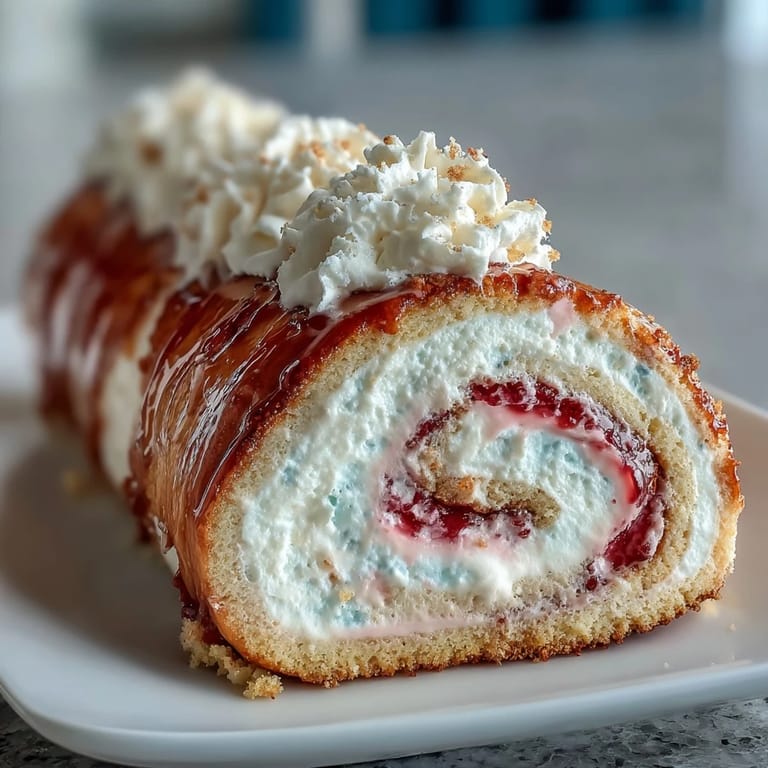
- Roll the cake up tightly one more time, this time without the towel, and place it seam-side down on your serving platter—this presentation matters because it keeps everything from unraveling and looks intentional and beautiful.
- Make the meringue crown:
- Beat 3 fresh egg whites in a clean bowl until soft peaks form, then add sugar gradually while continuing to beat until you get stiff, glossy peaks that hold their shape. This is the final flourish that makes people say wow when they see it.
- Top and finish:
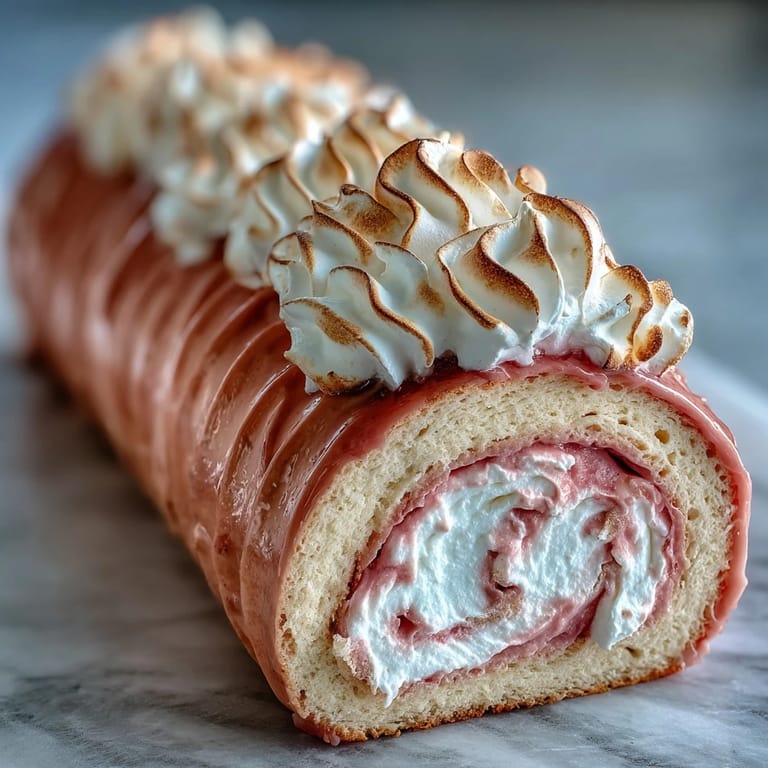
- Spread or pipe the meringue over the top and sides of your roll, creating swoops and peaks if you're feeling fancy—or keep it simple and rustic, it's equally beautiful either way. You can torch it lightly for a golden finish, broil it briefly (watching every second so it doesn't burn), or leave it white and fluffy.
- Chill before serving:
- Let the whole thing rest in the refrigerator for at least 30 minutes so the flavors meld and everything sets up properly. This also makes slicing cleaner and prevents the filling from squishing out.
 Save
Save Years ago, I made this for my partner's birthday dinner, and watching their face light up when they took the first bite—seeing that moment of recognition that they were eating something made with real care—reminded me why I love cooking. It wasn't about perfection; it was about connection.
The Science of Lightness
The reason this cake is so impossibly tender comes down to how you're treating those egg whites—you're incorporating air directly into the batter, and then the heat of the oven sets that air into tiny pockets that stay even after cooling. The folding technique matters because aggressively mixing would pop those bubbles, so you're working almost medditatively, turning the bowl and cutting gently, respecting the work you've already done. Once you understand this principle, you'll start seeing it everywhere in baking, and suddenly recipes make more sense.
Playing with Variations
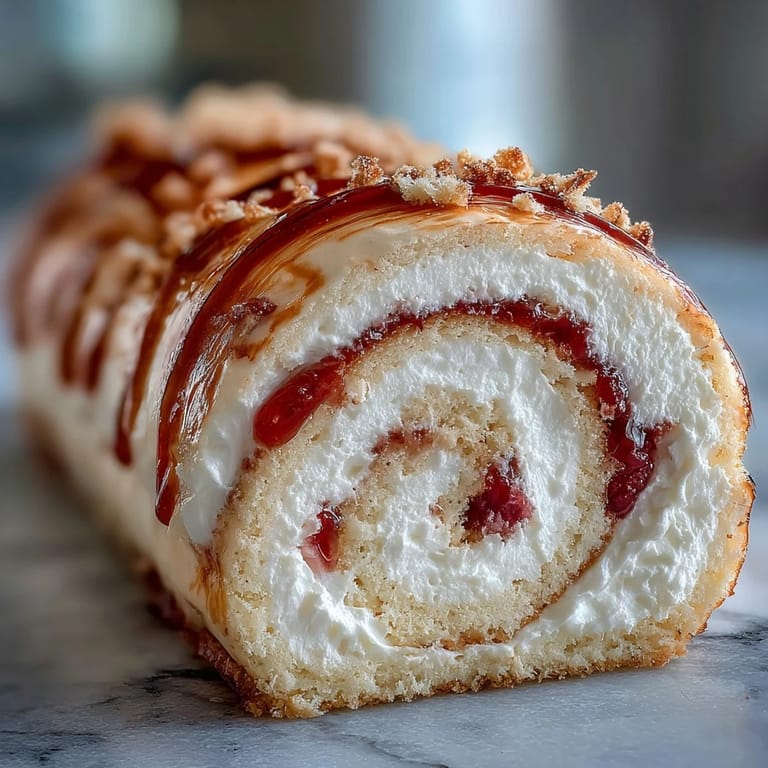
My cousin swears by adding a thin layer of whipped cream between the cake and guava paste, which adds an almost cloud-like texture that feels luxurious without being heavy. I've also experimented with mango paste in late summer when guavas aren't at their peak, and it brings a different brightness to the dessert that still feels authentically Puerto Rican. The beauty of this recipe is that it's a framework—once you understand the technique, you can play with fruit pastes, add a touch of rum to the filling, or even dust the meringue with a whisper of toasted coconut.
Timing and Make-Ahead Magic
If you're prepping for an event, you can actually bake the cake and prepare the filling a day ahead, storing them separately in the refrigerator, then assemble and top with meringue a few hours before serving. The one thing you shouldn't do in advance is make the meringue—egg whites are unpredictable once beaten, and they start to weep after a while, so this is the final step you should save for closer to serving time. This timing flexibility is what makes brazo gitano a lifesaver for entertaining because you can build it in stages without losing quality.
- Make the cooled cake and guava filling the day before, wrapped separately in the fridge.
- Assemble the cake with filling about 4 hours before serving to let flavors meld.
- Beat the meringue fresh and top within the final hour before eating.
 Save
Save This dessert has taught me that beautiful food doesn't require complicated techniques, just respect for the process and a willingness to move slowly through the steps. Every time I make it, someone reminds me why it matters.
Recipe FAQs
- → What makes Brazo Gitano different from other rolled cakes?
Brazo Gitano uniquely combines vanilla sponge with guava paste—a quintessential Puerto Rican fruit filling. Unlike traditional Swiss rolls that often use jam or cream, this version features the distinct tropical sweetness and vibrant color of guava. The meringue topping also sets it apart, creating a texture similar to baked Alaska or lemon meringue pie.
- → Why do I roll the cake with a towel while it's warm?
Rolling the warm cake in a sugar-dusted towel creates a "memory" in the sponge, making it easier to roll again with the filling without cracking. The gentle curve formed while warm prevents the cake from splitting when you add the guava filling later. This technique is essential for achieving clean, professional-looking slices.
- → Can I make Brazo Gitano ahead of time?
Yes, this dessert actually benefits from chilling. You can prepare the entire roll up to 24 hours in advance, wrapping it tightly after the meringue sets. The flavors meld beautifully during refrigeration. For the best texture, bring it to room temperature for about 15 minutes before serving, or serve slightly chilled for a firmer bite.
- → What can I use instead of guava paste?
Mango paste works wonderfully as a substitute, offering similar sweetness and texture. Other fruit pastes like membrillo (quince), fig, or raspberry also complement the vanilla sponge. If using softer fruit preserves, consider thickening them with a bit of cornstarch or adding a layer of whipped cream beneath to prevent sogginess.
- → How do I prevent the meringue from weeping?
Ensure your egg whites are at room temperature before beating, and add the sugar gradually while the mixer runs. The cream of tartar helps stabilize the meringue by breaking down egg proteins. After spreading, chill the roll for at least 30 minutes to set the meringue. If serving later, the meringue may develop small droplets—simply pat gently with a paper towel before presenting.
- → What's the best way to slice Brazo Gitano cleanly?
Use a sharp, thin-bladed knife and clean it between slices with a damp cloth. For extra precision, chill the roll thoroughly before cutting, and use a gentle sawing motion rather than pressing down. Some bakers prefer using unflavored dental floss or fishing line—simply wrap it around the roll and pull through for perfectly clean cuts.