 Save
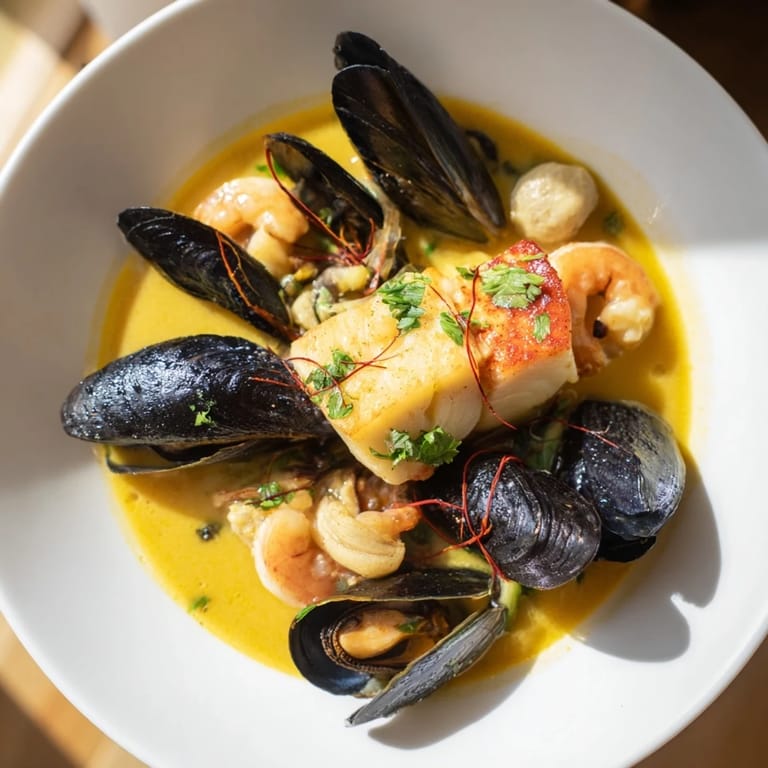
Save I made bouillabaisse on a cold Tuesday night after finding sea bass and red mullet at the fishmonger, marked down because they were the last of the day. The kitchen smelled like fennel and saffron within minutes, and I realized I had never actually tasted the real thing, only read about it. My partner walked in, asked what was happening, and stayed to watch the whole process unfold. It became one of those meals we still talk about, not because it was perfect, but because it felt like we had traveled somewhere without leaving home.
I once served this to friends who had just returned from Marseille, and I was nervous they would compare it to what they had there. They were quiet for the first few spoonfuls, then someone said it tasted like the coast, and I knew I had done something right. We toasted bread until it was almost too dark, spread rouille on thick, and dipped it into the saffron broth until the plates were empty. That night taught me that good food doesnt need to be authentic in the traditional sense, it just needs to be made with care.
Ingredients
- Firm white fish fillets: Monkfish or sea bass hold their shape during simmering and soak up the broth without falling apart.
- Oily fish fillets: Red mullet adds richness and a deeper flavor that balances the sweetness of the shellfish.
- Mussels: They release their briny juice into the stew and make it taste like the ocean, always scrub them well and pull off the beards.
- Small shrimp: Peel them yourself if you can, the shells can go into the stock for extra depth.
- Sea scallops: Optional but worth it, they turn tender and sweet in just a few minutes.
- Olive oil: Use a fruity one, it becomes part of the base and you will taste it in every spoonful.
- Onion and leek: They soften into the background and add a gentle sweetness without overpowering the seafood.
- Fennel bulbs: Their anise flavor is essential, slice them thin so they melt into the broth.
- Garlic cloves: Minced fine, they perfume the oil and build the foundation of the stew.
- Ripe tomatoes: Peeled and seeded, they break down into a silky base, canned works if fresh are not available.
- Orange zest: A few strips add brightness and a hint of citrus that lifts the entire dish.
- Saffron threads: The soul of bouillabaisse, bloom them in warm liquid first to release their color and aroma.
- Fennel seeds: They echo the fresh fennel and add a warm, slightly sweet note.
- Dry white wine: It deglazes the pot and adds acidity, use something you would actually drink.
- Fish stock or water: Homemade stock is ideal, but water works if you have flavorful seafood.
- Egg yolk: The base of the rouille, it emulsifies with the oil into a thick, creamy sauce.
- Red chili: Seeded and chopped, it gives the rouille a gentle heat that wakes up your palate.
- Dijon mustard: It stabilizes the emulsion and adds a subtle tang.
- Baguette: Toasted until crisp, it becomes a vehicle for the rouille and soaks up the broth.
Tired of Takeout? 🥡
Get 10 meals you can make faster than delivery arrives. Seriously.
One email. No spam. Unsubscribe anytime.
Instructions
- Soften the vegetables:
- Heat olive oil in a large pot and add onion, leek, fennel, carrot, and garlic. Let them sweat gently until they smell sweet and turn translucent, stirring occasionally so nothing sticks or browns.
- Build the base:
- Stir in tomatoes, orange zest, herbs, saffron, fennel seeds, peppercorns, salt, and pepper. Cook until the tomatoes break down and the kitchen smells like Provence, about five minutes.
- Add the liquids:
- Pour in the white wine and let it bubble for a couple of minutes, then add the fish stock or water. Bring it to a gentle boil, reduce the heat, and simmer uncovered for twenty five minutes to let the flavors marry.
- Strain the broth:
- Pour the broth through a fine sieve set over a clean pot, pressing on the solids with the back of a spoon to extract every drop of flavor. Discard the solids and return the golden broth to the heat.
- Cook the seafood:
- Bring the broth to a gentle simmer and add the firm white fish first, cooking for five minutes. Then add the oily fish, mussels, shrimp, and scallops, simmering until everything is just cooked and the mussels have opened, discard any that stay closed.
- Make the rouille:
- In a bowl, whisk together egg yolk, garlic, chili, saffron with its soaking water, and mustard. Drizzle in olive oil slowly while whisking constantly until the mixture thickens into a glossy, spoonable sauce, then season with salt.
- Serve:
- Ladle the bouillabaisse into warm bowls, scatter fresh parsley on top, and serve with toasted baguette slices and a generous dollop of rouille on the side. Drizzle a little extra olive oil over the bread if you like.
 Save
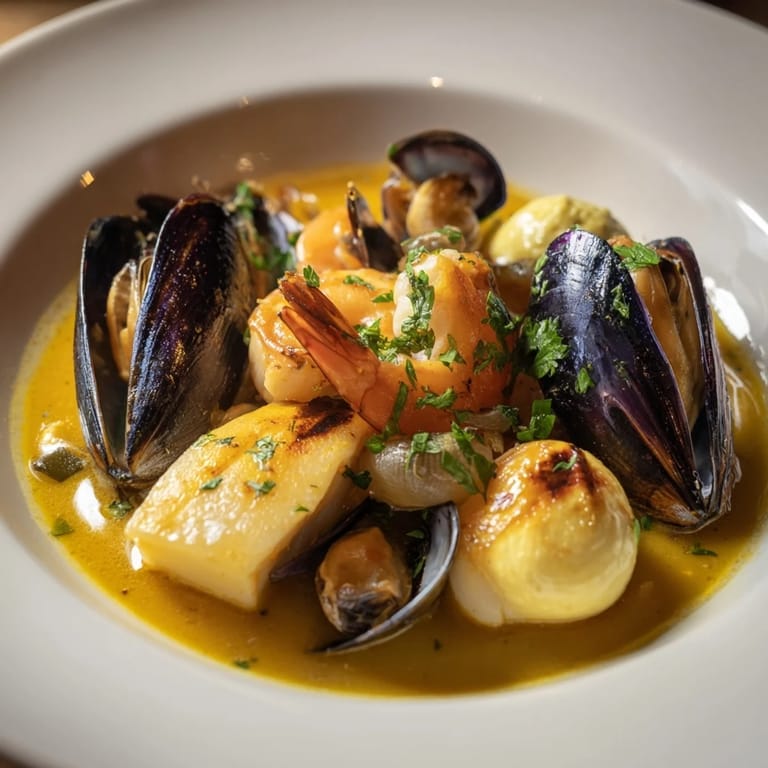
Save The first time I made this, I forgot to toast the bread and served it soft, and everyone was too polite to say anything. The next time I made it crisp and golden, brushed with olive oil, and the difference was startling. Now I cannot imagine bouillabaisse without that crunch, the way the rouille clings to the rough surface and the broth soaks in just enough. It is a small thing, but it matters.
Choosing Your Seafood
The beauty of bouillabaisse is that it adapts to what is fresh and local, so do not stress if you cannot find red mullet or monkfish. I have used snapper, halibut, even chunks of salmon when that was what looked good at the market. The key is variety, at least three or four types of fish and shellfish, some firm, some oily, some sweet. Ask the fishmonger what came in that morning and build your stew around that. The broth will carry whatever you choose, and the saffron will make it all taste like it belongs together.
Making It Ahead
You can make the broth a day in advance and refrigerate it, which actually deepens the flavor. The rouille also holds well in the fridge for up to a day, just bring it to room temperature before serving and give it a quick whisk. When you are ready to serve, reheat the broth gently, add the seafood, and cook it fresh. This approach makes hosting easier because the hard work is done, and you just finish the dish while your guests arrive. I have done this for dinner parties more than once, and it always feels calm and controlled instead of frantic.
Pairing and Serving Suggestions
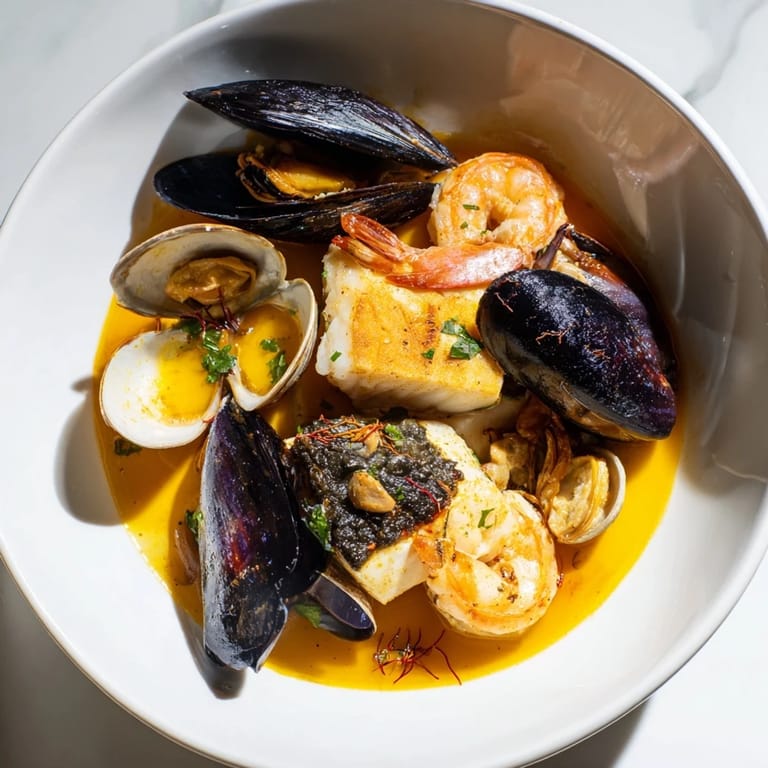
A chilled Provençal rosé is traditional and wonderful, crisp and fruity enough to stand up to the saffron and garlic without competing. If you prefer white, try something with good acidity like a Picpoul de Pinet or a dry Vermentino. Serve the stew in wide, shallow bowls so everyone can see the seafood and sop up the broth with bread. Some people like to put the rouille directly into the broth, others spread it on toast and dip, both ways work and both are delicious.
- Set out extra toasted bread in a basket so guests can help themselves.
- Offer lemon wedges on the side for those who want a little extra brightness.
- Have napkins ready because this is a hands on, messy, joyful kind of meal.
 Save
Save This is the kind of dish that makes people linger at the table, talking and dipping bread long after the bowls are empty. It feels special without being fussy, and it always reminds me why I love cooking for others.
Recipe FAQs
- → What types of fish are best for this stew?
Use a mix of firm white fish like monkfish or sea bass, and oily fish such as red mullet for balanced texture and flavor.
- → Can I prepare the rouille sauce ahead of time?
Yes, rouille can be made a day in advance and refrigerated to let flavors meld before serving.
- → How should the saffron be used in this stew?
Saffron threads are soaked in warm water to release aroma and color, then added to the broth and rouille for subtle, floral notes.
- → What is the best way to cook the shellfish included?
Add mussels, shrimp, and scallops towards the end, simmering just until cooked and mussels open, to ensure tenderness.
- → What wine pairs well with this dish?
A chilled Provençal rosé or a crisp white wine complements the stew’s herbal and seafood richness beautifully.
- → Can the stew be made gluten-free?
Yes, simply substitute the baguette with gluten-free bread to accommodate dietary needs.