 Save
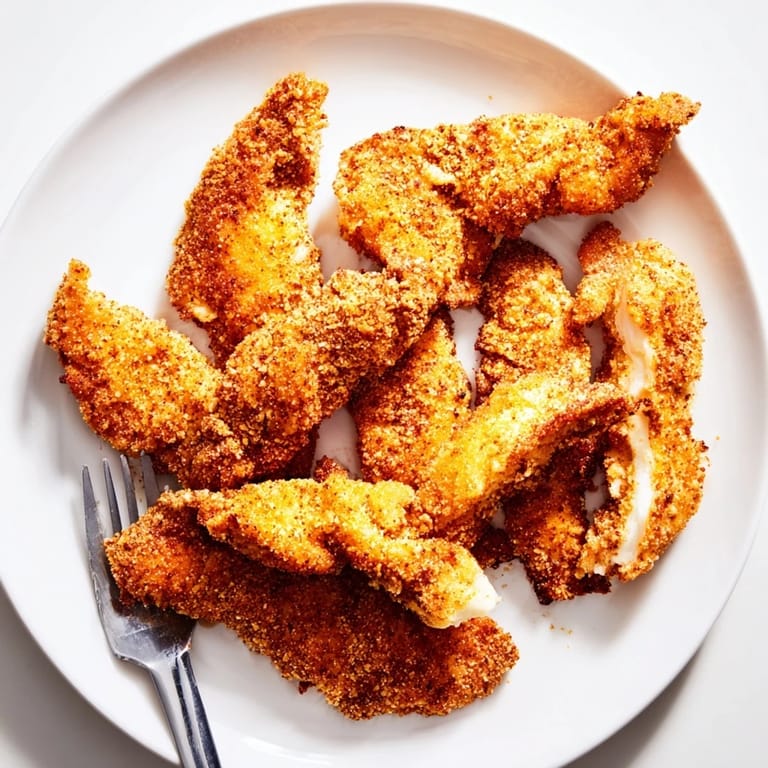
Save There's something about the sizzle of chicken hitting hot oil that makes you feel like you're running a proper kitchen, even if it's just a Tuesday night. I learned to make these buttermilk fried chicken tenders from watching my aunt work through a cast iron skillet like it was second nature, the way she'd let the marinade do its quiet work in the fridge while we caught up on the phone. What started as her trick to keep chicken tender has become my go-to move whenever I need something that tastes homemade but doesn't demand hours of attention. The magic is really in that tangy buttermilk soak—it's patient cooking, the kind that rewards you for waiting.
My roommate came home to the smell of these once and immediately sat down at the counter without even taking his jacket off, just waiting. We barely had napkins ready before he was eating them straight off the cooling rack, dipping each one in honey mustard like he hadn't eaten in days. That's when I realized these tenders had crossed over from weeknight dinner to something that could actually impress people, which feels like a small kitchen win.
Ingredients
- Chicken tenders or breast strips: Use whatever's fresher at your store—tenders are convenient, but cutting your own from breasts saves money and lets you control the thickness.
- Buttermilk: This is non-negotiable; it's what makes the coating stick and keeps the chicken from drying out in the oil.
- All-purpose flour: Nothing fancy needed, just the standard stuff in your pantry.
- Paprika, garlic powder, onion powder: These three are your flavor foundation—don't skip them, and don't get tempted by garlic salt instead of powder.
- Baking powder in the flour: This is the secret to extra crunch; it creates tiny air pockets that fry up golden.
- Vegetable oil: Use something with a high smoke point—stick with vegetable, canola, or peanut oil.
Tired of Takeout? 🥡
Get 10 meals you can make faster than delivery arrives. Seriously.
One email. No spam. Unsubscribe anytime.
Instructions
- Mix your marinade and soak the chicken:
- Whisk together the buttermilk with salt, pepper, garlic powder, onion powder, paprika, and cayenne in a bowl large enough to move the chicken around. Submerge each tender, cover, and let it sit in the fridge for at least two hours—overnight is even better because the acid in the buttermilk gently breaks down the proteins.
- Combine your seasoned flour:
- In a shallow dish, mix flour, salt, pepper, paprika, garlic powder, onion powder, and baking powder with a fork until everything is evenly distributed. This is your coating, so take a second to make sure there are no lumps.
- Dredge and set up:
- Pull each tender from the marinade, let the excess liquid drip back into the bowl, then press it into your flour mixture, coating both sides and the edges. The buttermilk helps the flour stick like it's meant to be there.
- Heat your oil to the right temperature:
- Pour two inches of oil into your skillet or Dutch oven and bring it to 350°F—use a thermometer here, not guesswork. If it's too cool, you'll get soggy chicken; too hot, and the outside burns before the inside cooks.
- Fry in batches without crowding:
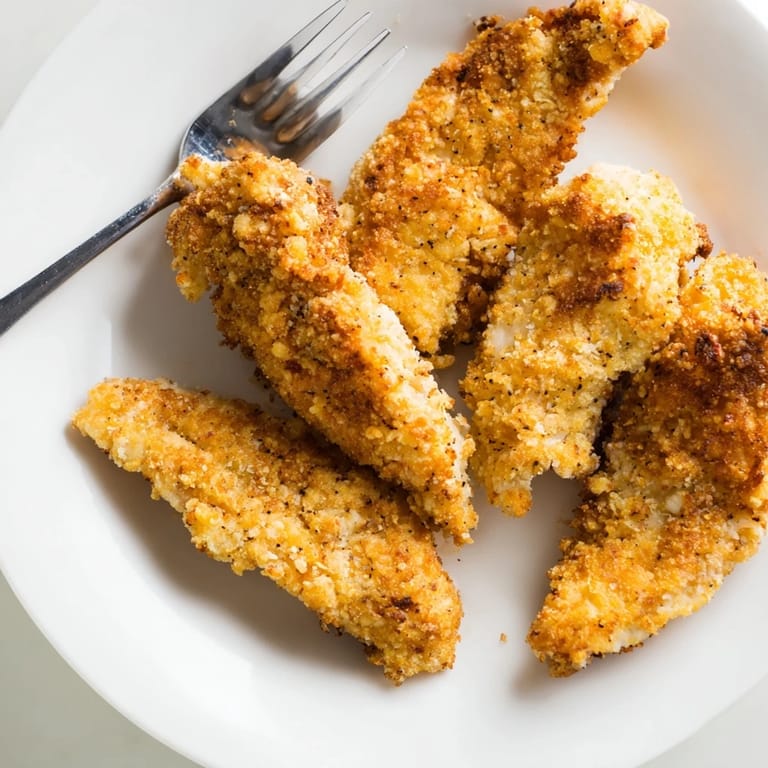
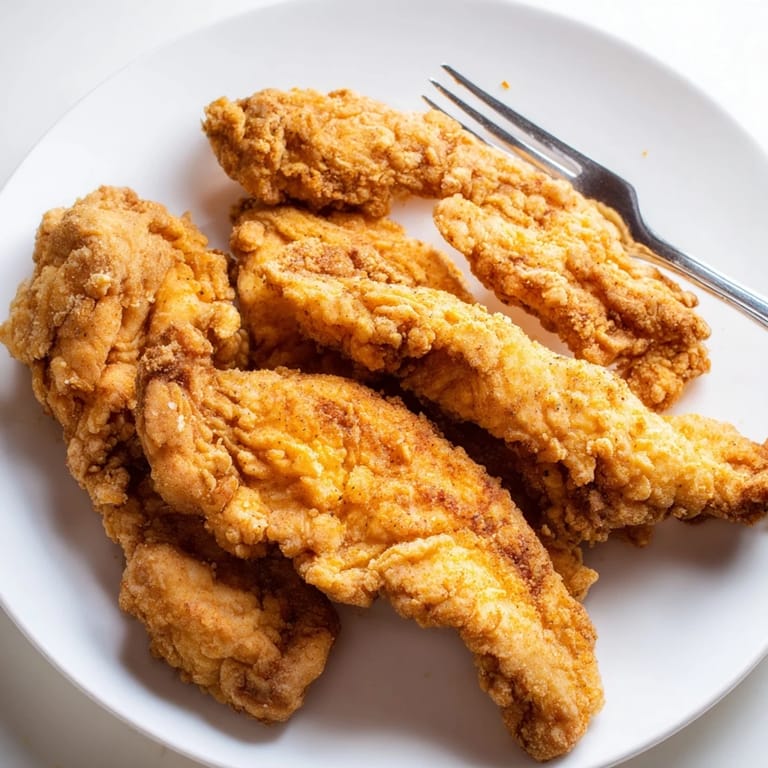
- Gently lay three or four tenders into the hot oil and listen for that satisfying sizzle. Fry for three to four minutes per side until they're deep golden brown and an instant-read thermometer poked into the thickest part reads 165°F.
- Drain and serve immediately:
- Lift them out with tongs onto a wire rack or paper towels so they stay crispy on all sides. Serve while they're still warm, ideally within the first few minutes.
 Save
Save I made these for my dad once when he was recovering from surgery and couldn't imagine eating much of anything. He ate three of them without complaint and asked if I'd make them again next Sunday. Sometimes food is just about showing up for people, and these tenders turned out to be exactly what that moment needed.
The Buttermilk Magic
Buttermilk isn't just a marinade ingredient—it's a tenderizer and a flavor builder all at once. The lactic acid in buttermilk breaks down the chicken's muscle fibers slowly and gently, which is why two hours makes a noticeable difference compared to no marinating at all. If you ever find yourself without buttermilk, you can make a quick substitute with regular milk and lemon juice or vinegar, but it won't quite have the same subtle tang that makes these tenders taste like someone's been doing this for years.
Getting the Coating Right
The baking powder in the flour coating is the move that separates these from basic fried chicken—it creates tiny bubbles that fry up into crispy pockets, so you get that audible crunch with every bite. Make sure your flour mixture is seasoned generously; taste a pinch of it before you start coating if you want to dial in the salt and spice level. The paprika does double duty as both flavor and color, so don't be shy about it.
Serving and Storage
These are best eaten within minutes of frying, but they reheat reasonably well in a 350°F oven for about ten minutes if you have leftovers. Honey mustard is my go-to, but ranch, hot sauce, or even ketchup works depending on the crowd and the mood. Store any extras in an airtight container in the fridge for up to three days, though they're never quite as good reheated as they are fresh.
- Pair them with coleslaw or potato salad if you want to feel like you're at a proper meal.
- Let the oil drain fully so they stay crispy and don't get heavy.
- Make extra—they disappear faster than you'd expect.
 Save
Save There's a reason buttermilk fried chicken shows up on tables everywhere—it works, it feels indulgent, and it brings people together. Make these when you want to feel like you know what you're doing in the kitchen.
Recipe FAQs
- → What role does buttermilk play in this dish?
Buttermilk tenderizes the chicken and adds a subtle tang, enhancing moisture and flavor depth.
- → How can I make the coating extra crispy?
Double dip the tenders by coating, dipping back into buttermilk, then coating again before frying.
- → What oil temperature is best for frying?
Maintain the oil at 350°F (175°C) to ensure a crispy crust without absorbing excess oil.
- → Can I substitute the spices in the coating?
Yes, feel free to adjust paprika, garlic, and onion powders or add cayenne for more heat.
- → How long should I marinate the chicken?
Marinate for at least 2 hours, but overnight enhances tenderness and flavor more deeply.