 Save
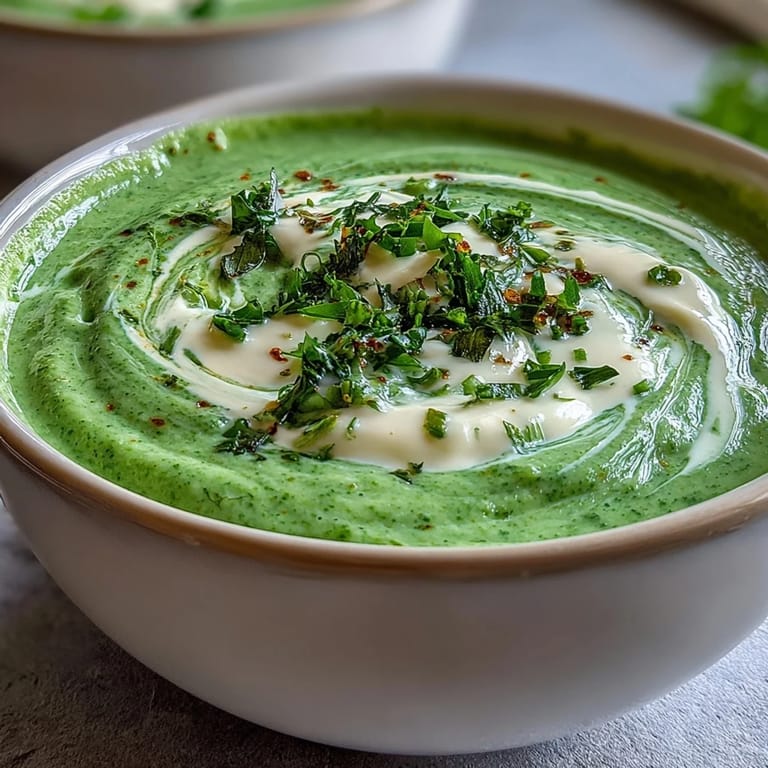
Save There's something about a pot of creamy broccoli soup that makes a kitchen feel like home, even on days when everything else feels scattered. My neighbor once mentioned she could never get hers smooth enough, and that's when I realized the real magic isn't fancy technique—it's just giving yourself permission to blend it properly and not overthink the seasonings. This soup became my answer to those weeknight moments when comfort matters more than complexity, and somehow it's turned into the thing people ask me to bring to gatherings.
I made this soup for a friend who'd just moved into her first apartment, armed with only a can opener and pure determination. Watching her taste it and actually relax for the first time that week reminded me that feeding people doesn't require restaurant-level complexity. She started making it every Sunday after that, which felt like the highest compliment I could receive.
Ingredients
- Broccoli florets: The star of the show—fresh is wonderful, but frozen works just as well and honestly saves you chopping time without sacrificing flavor.
- Onion and garlic: These two create the aromatic foundation that makes people ask what smells so good before they even see the pot.
- Potato and carrot: They add body and natural sweetness that balances the earthiness of the broccoli, making the soup feel complete.
- Vegetable broth: Use something you actually like drinking, because it becomes the backbone of everything else.
- Heavy cream: This is where the luxurious feeling comes from—swirl it in at the end and you've transformed something simple into something special.
- Olive oil or butter: Butter gives warmth and depth, olive oil keeps things lighter; choose based on your mood that day.
- Salt, black pepper, and nutmeg: The nutmeg is a whisper, not a shout—just enough to make people wonder what makes this taste better than the version they make at home.
Tired of Takeout? 🥡
Get 10 meals you can make faster than delivery arrives. Seriously.
One email. No spam. Unsubscribe anytime.
Instructions
- Build your flavor base:
- Warm your oil or butter over medium heat and add the onion and garlic, listening for that gentle sizzle that tells you everything's heating right. Let them soften for a couple minutes until the kitchen smells inviting and the onion turns translucent.
- Add the root vegetables:
- Toss in your diced potato and carrot, giving them a stir to coat them in the fat. Three minutes of cooking lets them start softening before the broccoli joins the party.
- Bring everything together:
- Add the broccoli florets and pour in your vegetable broth, then let it come to a boil before turning the heat down to a simmer. Fifteen to eighteen minutes of gentle cooking transforms everything into tender pieces ready for blending.
- Blend until silky:
- This is where patience pays off—whether you use an immersion blender right in the pot or work in batches with a regular blender, blend until there are no visible chunks and the texture feels like velvet. If it's thicker than you like, thin it with a splash more broth.
- Finish with cream and season:
- Stir in your heavy cream and taste before seasoning, because broth saltiness varies wildly. The salt and pepper are obvious, but that tiny pinch of nutmeg is the secret that makes people lean in for another spoonful.
- Serve with warmth:
- Heat gently if needed and ladle into bowls, then garnish however your heart desires. A swirl of extra cream, some croutons for crunch, or fresh chives scattered on top all make it feel special.
 Save
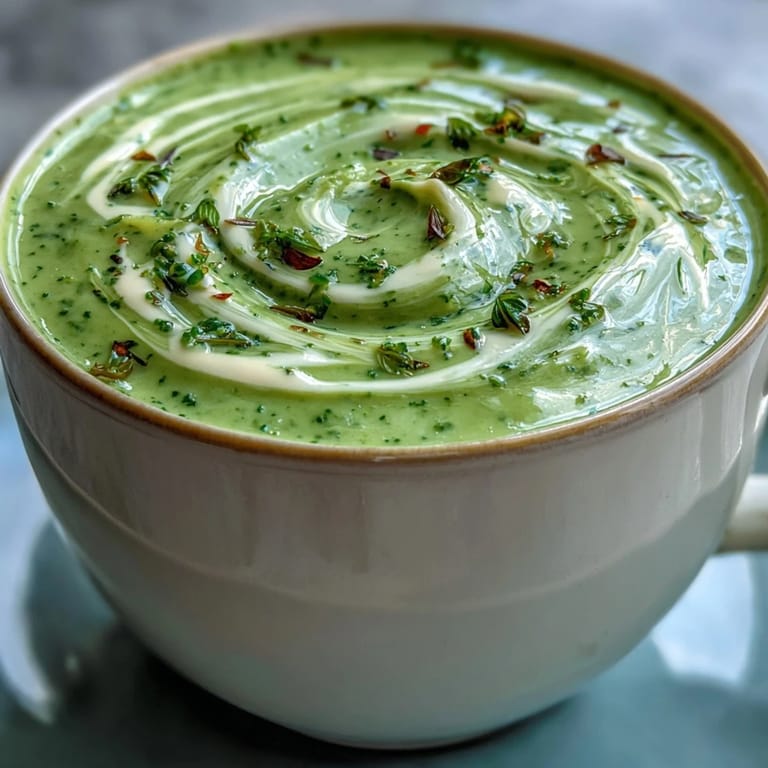
Save This soup showed up at my table during a rough season, brought by a friend who knew that sometimes words aren't enough but warm food says everything. That bowl meant more than the ingredients suggest, and now whenever I make it, I think about showing up for people in small, nourishing ways.
Customizing Your Soup
The beauty of this recipe is that it's genuinely flexible without losing its soul. Add a handful of spinach or kale during the final simmer for extra color and nutrition that dissolves seamlessly, or stir in some crispy bacon at the end for people who think soup needs texture and smoke. I've made it with roasted garlic instead of raw, which softens the bite and adds a toasty depth that regular garlic can't match.
Pairing and Serving Ideas
This soup wants a companion—grilled cheese is the obvious choice, but crusty bread with good butter works beautifully too. I've also served it alongside a simple green salad when I wanted something lighter, and the contrast between the warmth and the crisp vegetables felt right. Honestly, it's equally at home as a starter before something more substantial, or as the main event on a night when you need comfort more than complexity.
Storage and Make-Ahead Tips
This soup keeps for three days refrigerated and actually tastes better the next day as flavors meld and deepen. You can freeze it before adding the cream, then thaw and warm gently while stirring in fresh cream—it thaws beautifully without any separation or weirdness. The only thing that changes is texture, which is why I always make it fresh when I'm serving guests, but for myself, the frozen version is pure convenience wrapped in comfort.
- Make a double batch and freeze half in portions so you always have a soul-warming meal waiting in your freezer.
- Add cream only to the portion you're eating if you're planning to freeze the rest—it prevents separation and keeps quality high.
- Reheat gently on the stove rather than blasting it in the microwave, which helps maintain that silky texture you worked for.
 Save
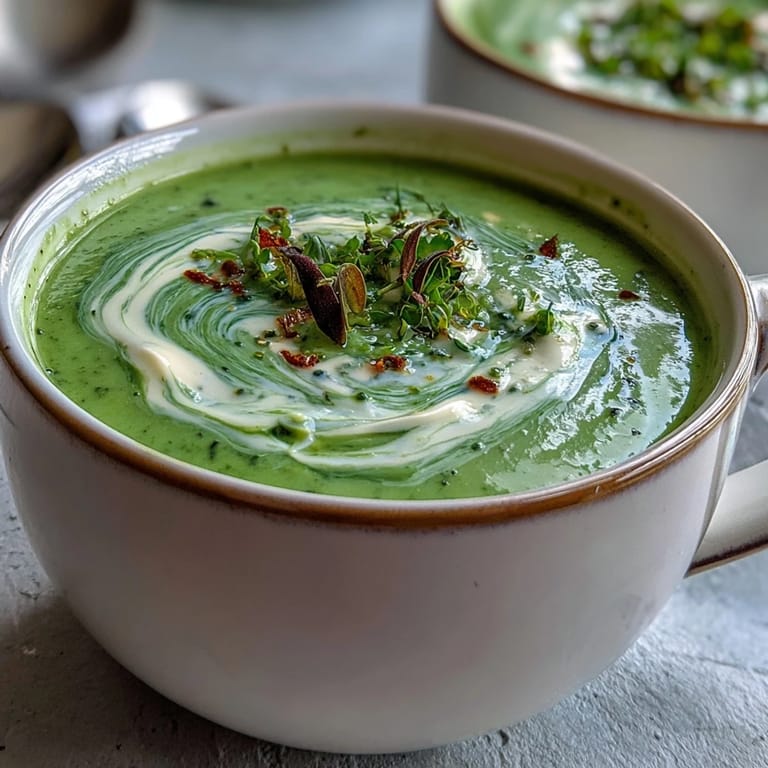
Save Making this soup has become one of those quiet rituals that connects me to people I care about, whether I'm feeding myself on a Tuesday night or showing up somewhere with a warm thermos. It's proof that the most meaningful meals don't need fancy ingredients or complicated techniques—just genuine care and willingness to blend something smooth.
Recipe FAQs
- → Can I make this soup ahead of time?
Absolutely! This soup actually tastes better the next day as flavors have time to meld together. Store in an airtight container in the refrigerator for up to 3 days. Reheat gently over low heat, adding a splash of broth or cream if it thickens too much.
- → How do I achieve the smoothest texture?
For the silkiest results, use an immersion blender directly in the pot, or carefully transfer hot soup to a blender in batches. Blend until completely smooth with no visible chunks. The potato also helps naturally thicken and create creaminess without additional dairy.
- → What can I serve with this soup?
Crusty bread, garlic knots, or a grilled cheese sandwich make perfect accompaniments. For a lighter option, serve with a simple green salad dressed with vinaigrette. The soup also pairs beautifully with roasted vegetables or a quinoa side dish.
- → Can I freeze this soup?
Yes, though cream-based soups can sometimes separate when frozen. For best results, freeze before adding the cream. Thaw overnight in the refrigerator, reheat gently, then stir in the cream just before serving. Frozen soup keeps well for up to 3 months.
- → How can I add more protein?
Stir in white beans, lentils, or shredded chicken during the last few minutes of cooking. A dollop of Greek yogurt or cottage cheese on top also boosts protein while adding extra creaminess. For a complete protein, serve with whole grain bread.