 Save
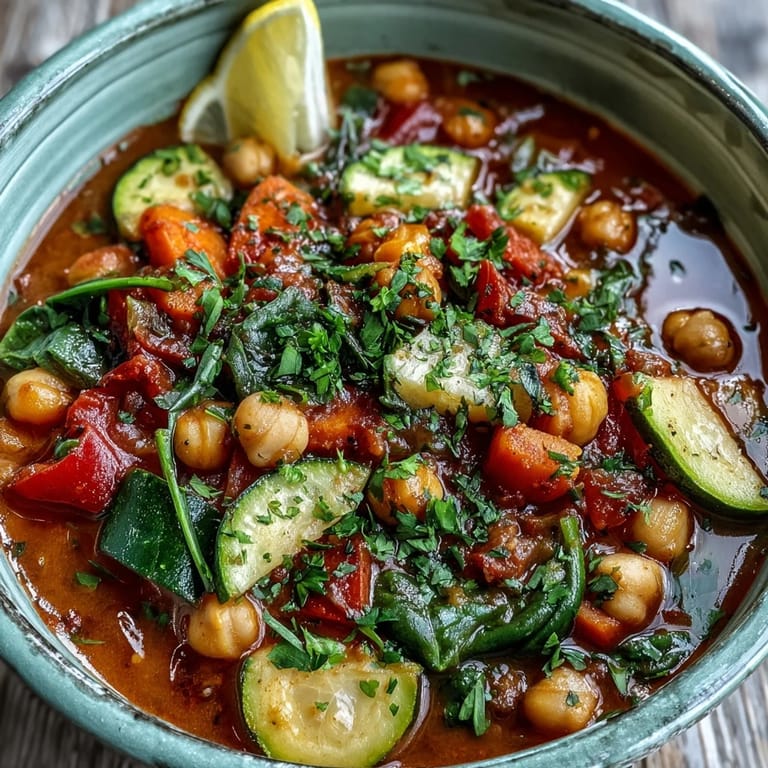
Save The scent of cumin and smoked paprika drifting through my kitchen windows one autumn afternoon marked the beginning of my love affair with this Mediterranean chickpea stew. I'd just returned from a farmers market with arms full of vibrant vegetables and no particular plan. The sky had darkened with rain clouds, and something warm and nourishing called to me. As the first drops fell against the glass, I chopped vegetables by the windowsill, creating what would become one of my most treasured recipes.
Last winter when my neighbor was recovering from surgery, I brought over a container of this chickpea stew still warm from my kitchen. I worried it might be too simple, but she texted me three days later asking for the recipe. Now whenever I make a batch, I automatically double it, knowing someone in my life will appreciate the extra portion as much as their company brightens my day.
Ingredients
- Chickpeas: I prefer using dried chickpeas soaked overnight and cooked until tender, as they develop a creamier texture, but canned ones rinsed thoroughly work perfectly when time is short.
- Smoked paprika: This humble spice creates the foundation of warmth in this stew, transforming ordinary vegetables into something memorable, so please dont substitute regular paprika if possible.
- Vegetables: The beautiful thing about this stew is how forgiving it is with whatever vegetables you have on hand, though the carrots and celery create that essential flavor base.
- Olive oil: Use the good stuff here, as the oil carries the flavors of the spices throughout the stew and adds a wonderful richness.
- Bay leaf: My grandmother taught me never to skip this humble leaf, as it works quietly in the background adding depth you cant quite identify but would definitely miss.
Tired of Takeout? 🥡
Get 10 meals you can make faster than delivery arrives. Seriously.
One email. No spam. Unsubscribe anytime.
Instructions
- Start with the aromatics:
- Heat that olive oil until it shimmers, then watch as the diced onions transform from sharp and pungent to sweet and translucent. This first step sets the foundation for everything that follows.
- Build your vegetable base:
- When you add the garlic, carrots, celery, and bell pepper, listen for that satisfying sizzle that tells you the vegetables are connecting with the heat. Give them time to soften slightly, releasing their flavors into the oil.
- Bloom the spices:
- Theres something magical about the moment when you add the spices to the pot and they become immediately aromatic. Dont rush this step, let them toast briefly to unlock their full potential.
- Create the stew base:
- As you pour in the tomatoes and broth, use your spoon to scrape up any browned bits from the bottom of the pot. Those little caramelized pieces contain concentrated flavor that will enrich your entire stew.
- Simmer with patience:
- This is where the magic happens, as everything mingles together over gentle heat. The kitchen fills with comforting aromas that signal good things are happening in the pot.
- Add delicate vegetables later:
- Zucchini and spinach need just enough time to become tender without losing their vibrant color and texture. The spinach will wilt quickly, turning a deep emerald green.
- Final seasoning adjustments:
- Your taste buds are the most important tool for this step. Sometimes a pinch more salt or a squeeze of lemon is all thats needed to make the flavors sing.
 Save
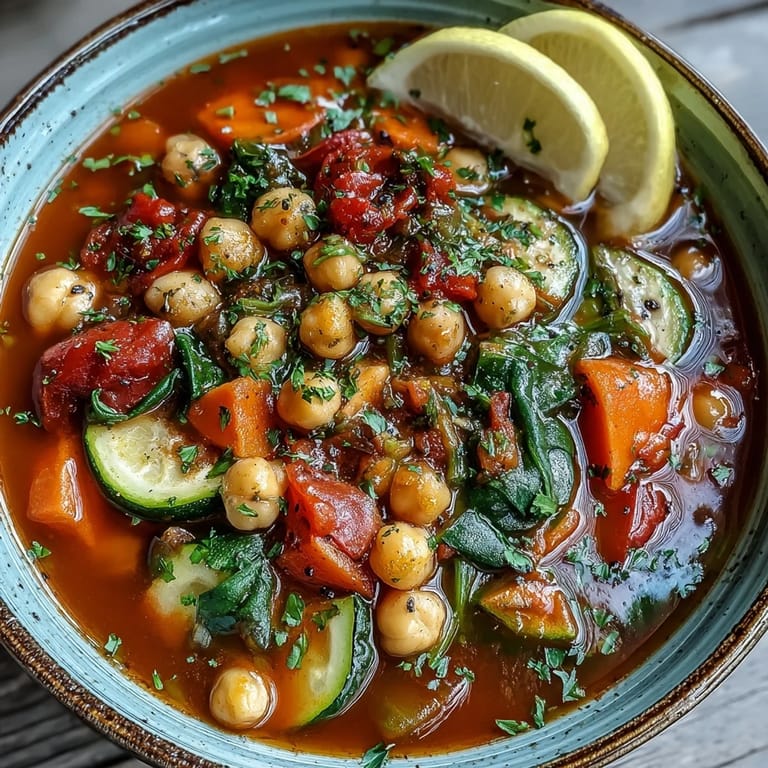
Save During last years holiday season, when elaborate meals seemed to be the expectation, I nervously served this humble stew to a gathering of friends. The conversation slowed as everyone took their first bites, then someone said, This tastes like home. Simple as it was, this pot of vegetables and chickpeas somehow connected us all, reminding us that nourishment comes in many forms.
Serving Suggestions
Ive discovered that this stew really shines when ladled into wide, shallow bowls rather than deep ones, allowing the steam to release those wonderful aromas right under your nose. Sometimes I place a small mound of brown rice or quinoa in the center before spooning the stew around it, creating a beautiful presentation with very little effort. The contrast of textures between the grains and the tender vegetables makes each spoonful more interesting.
Storage and Leftovers
The first time I made this stew, I accidentally left it in the fridge for three days before remembering it was there, and was shocked to find it tasted even better than when freshly made. The flavors had deepened and melded together in a way that transformed it entirely. Now I intentionally make it ahead, storing portions in glass containers rather than plastic, which I find preserves the flavors better without any strange aftertastes.
Making It Your Own
This recipe has traveled with me through different seasons and moods, changing slightly each time to reflect whats available or what my body needs. In summer, I might add fresh corn cut straight from the cob and finish with torn basil leaves instead of parsley. Winter versions often include diced sweet potato or butternut squash, which slowly melt into the broth creating natural creaminess.
- For a heartier version, stir in a cup of cooked farro or barley during the last few minutes of cooking.
- If youre looking for more protein, add a can of white beans along with the chickpeas or top each serving with a poached egg.
- Dont hesitate to adjust the consistency by adding more broth if you prefer a soupier version or letting it simmer uncovered longer for something thicker.
 Save
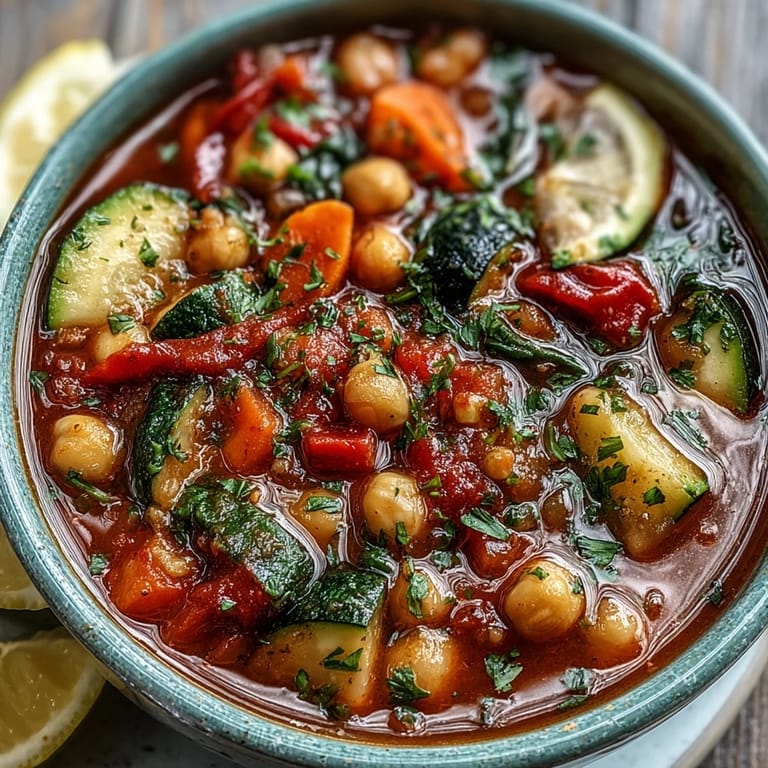
Save Every pot of this chickpea stew reminds me that good cooking doesnt have to be complicated to be meaningful. It simply needs to be made with attention and care, the way we should approach so many things in life.
Recipe FAQs
- → Can I use dried chickpeas instead of canned?
Yes, soak 1 cup dried chickpeas overnight and cook until tender before adding to the stew. This yields approximately 3 cups cooked chickpeas.
- → How long does this keep in the refrigerator?
The stew stores well in an airtight container for 4-5 days. The flavors actually deepen and improve after resting, making it ideal for batch cooking.
- → Can I freeze this chickpea stew?
Absolutely. Portion into freezer-safe containers and freeze for up to 3 months. Thaw overnight in the refrigerator and reheat gently on the stovetop.
- → What can I serve with this Mediterranean stew?
Pair with crusty whole grain bread, brown rice, or quinoa for added substance. A crisp green salad or roasted vegetables complement the flavors nicely.
- → How can I add more protein to this dish?
Consider adding white beans, lentils, or plant-based sausage. A dollop of Greek yogurt or tahini drizzle before serving also boosts protein content.
- → Can I make this in a slow cooker?
Sauté vegetables and spices first, then transfer all ingredients to a slow cooker. Cook on low for 6-7 hours or high for 3-4 hours until vegetables are tender.