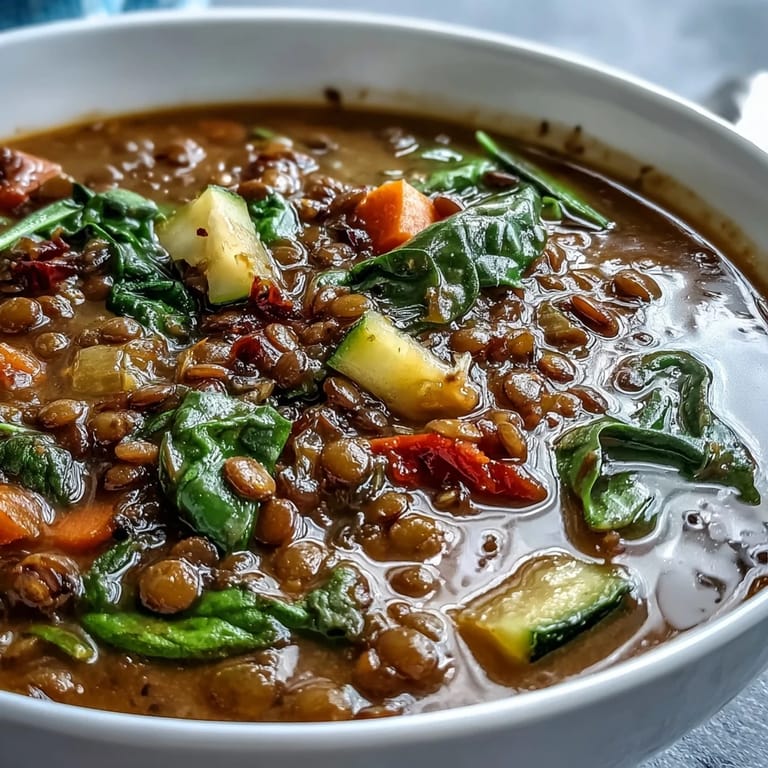
 Save
Save There's something about the smell of cumin hitting hot oil that makes me stop whatever I'm doing and just breathe it in. Years ago, I was rushing through a weeknight, exhausted, with a nearly empty fridge except for a bag of lentils someone had gifted me. I threw together whatever vegetables were lingering in the crisper drawer, added some broth, and thirty minutes later I had a bowl of soup that tasted like comfort without any fuss. Now it's become my go-to recipe when I need something warm, filling, and honest.
I made this soup for my neighbor last winter when she was under the weather, and she actually asked for the recipe—not to be polite, but because she genuinely wanted to make it again. Watching someone eat something you made when they really need it, that's when food stops being about hunger and becomes something else entirely.
Ingredients
- Dried brown or green lentils (1 cup): These hold their shape beautifully as they cook, giving you that satisfying texture rather than mushiness; rinsing them first removes dust and debris you don't want.
- Olive oil (2 tablespoons): This is your flavor foundation, so don't skip it or use something flavorless—it carries the aromatics into the whole pot.
- Onion, garlic, carrots, and celery: This trio builds a savory base that makes people ask if there's chicken in your vegetarian soup.
- Zucchini and red bell pepper: Fresh vegetables add brightness and color so the soup doesn't look like a brown puddle, which matters more than you'd think.
- Diced tomatoes (1 cup): Canned works just as well as fresh and is honestly more reliable; they add acidity that keeps the flavors from tasting flat.
- Vegetable broth and water (6 cups total): This ratio gives you a soup that's hearty but still soupy; too much broth makes it taste diluted, too little and you get stew.
- Fresh spinach or kale (2 cups): Add these at the very end so they stay bright green and don't turn to sludge; kale is sturdier if you like chewing.
- Cumin, thyme, smoked paprika, bay leaf: These spices create warmth without heat, making the soup feel like it's hugging you from the inside.
Tired of Takeout? 🥡
Get 10 meals you can make faster than delivery arrives. Seriously.
One email. No spam. Unsubscribe anytime.
Instructions
- Wake up the aromatics:
- Heat your oil over medium heat and let it shimmer slightly before adding onion and garlic; wait for them to turn translucent and fragrant, which takes about 2-3 minutes and means your base is ready to absorb all the good flavors ahead.
- Build your vegetable layer:
- Add the harder vegetables first—carrots, celery, zucchini, bell pepper—and give them 5 minutes to soften slightly so they'll cook evenly with the lentils later. You'll notice they start smelling sweeter as they hit the heat.
- Bloom the spices:
- Stir in cumin, thyme, paprika, salt, and pepper and let them toast for just a minute; this step might seem small but it transforms dried spices from dusty into actually alive and complex.
- Bring everything together:
- Add your rinsed lentils, tomatoes, broth, water, and bay leaf; bring it all to a boil and then immediately drop the heat down low. You want a gentle simmer, not an aggressive roll, so the lentils cook tenderly rather than burst apart.
- Let time do the work:
- Cover your pot and let it simmer for about 25 minutes until the lentils are soft enough to press between your fingers easily. This is a good time to do something else because soup doesn't need babysitting.
- Finish with greens:
- Stir in spinach or kale and give it 2-3 minutes to wilt completely, then fish out the bay leaf. Taste the soup now—this is your moment to adjust salt and pepper to your liking.
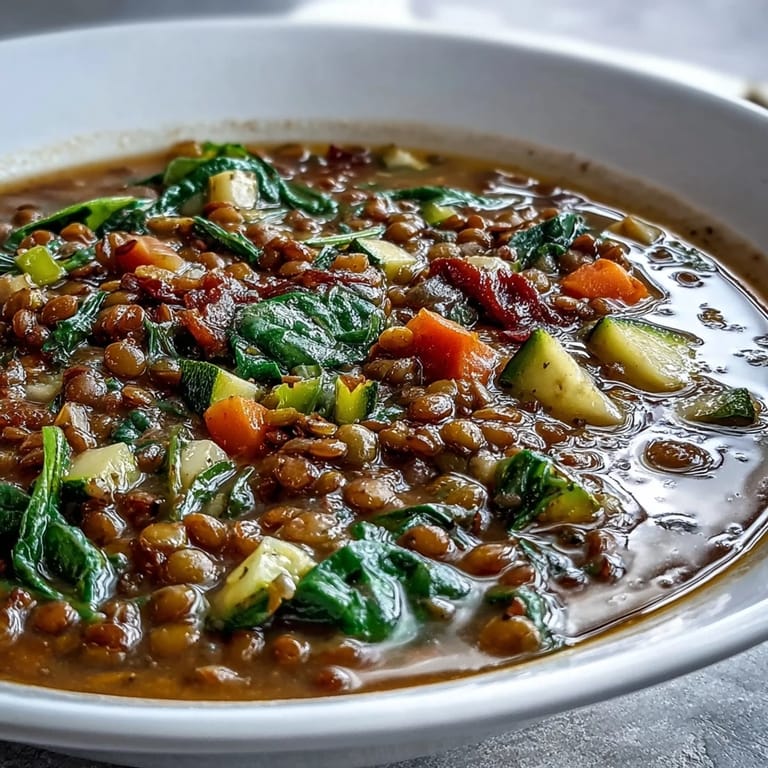 Save
Save There was this moment during a dinner party when my friend took a spoonful, closed his eyes, and said it tasted like what he imagined home should feel like. That's when I realized this recipe isn't really about the ingredients or even the technique—it's about the permission it gives you to make something nourishing without stress.
When to Swap Your Vegetables
Summer wants lighter vegetables—zucchini and fresh tomatoes work brilliantly—but winter whispers for heartier options like sweet potato, butternut squash, or even diced parsnips. Fall is the time to throw in some diced green beans if you find them at the market, and spring begs for fresh peas if you're willing to snap open the pods. The beauty is that lentils play well with almost any vegetable you can imagine, so treat this recipe as a framework rather than a rigid rule.
Making It Your Own
I've started adding a pinch of chili flakes on the days I need something with a little edge, and on lazy evenings I've thrown in a can of chickpeas for extra protein and substance. Some friends swear by a splash of lemon juice stirred right into the pot, while others insist it needs a dollop of something creamy at the end. The point is that once you make this soup a few times, you'll understand its bones well enough to decorate them however you like.
Serving and Storage Wisdom
A chunk of crusty bread alongside this soup transforms it from a simple meal into something worth lingering over. This soup refrigerates beautifully for up to four days and actually tastes better the next day once the flavors have had time to get properly acquainted; it also freezes incredibly well if you want to make a double batch on a Sunday afternoon and have easy weeknight meals waiting in your freezer.
- Garnish with fresh parsley and a squeeze of lemon just before serving for brightness that makes people notice.
- If it thickens too much after sitting, thin it with a splash of water or broth when you reheat it.
- Serve it in whatever bowl makes you happiest, because eating something you made yourself tastes even better when the vessel is right.
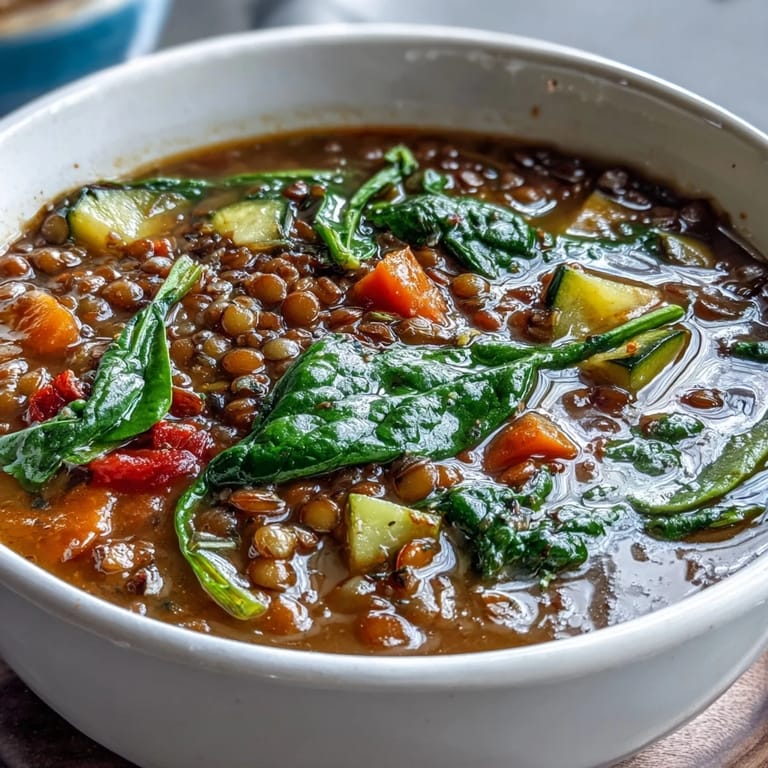 Save
Save This is the kind of recipe that gets better every time you make it because you learn something new each time. Make it for yourself on a quiet Tuesday, make it for someone who needs feeding, make it however feels right.
Recipe FAQs
- → Can I use different types of lentils?
Red lentils work well but cook faster, becoming creamier. Brown and green lentils hold their shape better. Avoid using pre-cooked or canned lentils as they won't absorb the flavorful broth properly during simmering.
- → How long does this keep in the refrigerator?
Store cooled soup in airtight containers for up to 5 days. The lentils continue absorbing liquid, so you may need to add a splash of water or broth when reheating to reach desired consistency.
- → Can I freeze this soup?
Yes, this freezes exceptionally well for up to 3 months. Cool completely before transferring to freezer-safe containers, leaving space at the top as liquids expand when frozen. Thaw overnight in the refrigerator before reheating.
- → What vegetables can I substitute?
Sweet potatoes, butternut squash, green beans, or diced potatoes work beautifully. Use whatever seasonal vegetables you have on hand, keeping total volume similar to maintain proper cooking time and broth ratios.
- → How can I make this soup thicker?
For a thicker consistency, remove about 1 cup of cooked lentils and vegetables, blend until smooth, then stir back into the pot. Alternatively, let it simmer uncovered for the last 10 minutes to reduce excess liquid.
- → Is this suitable for meal prep?
Absolutely. This soup makes excellent meal prep as it actually tastes better the next day when flavors have melded. Portion into individual containers for easy grab-and-go lunches throughout the week.