 Save
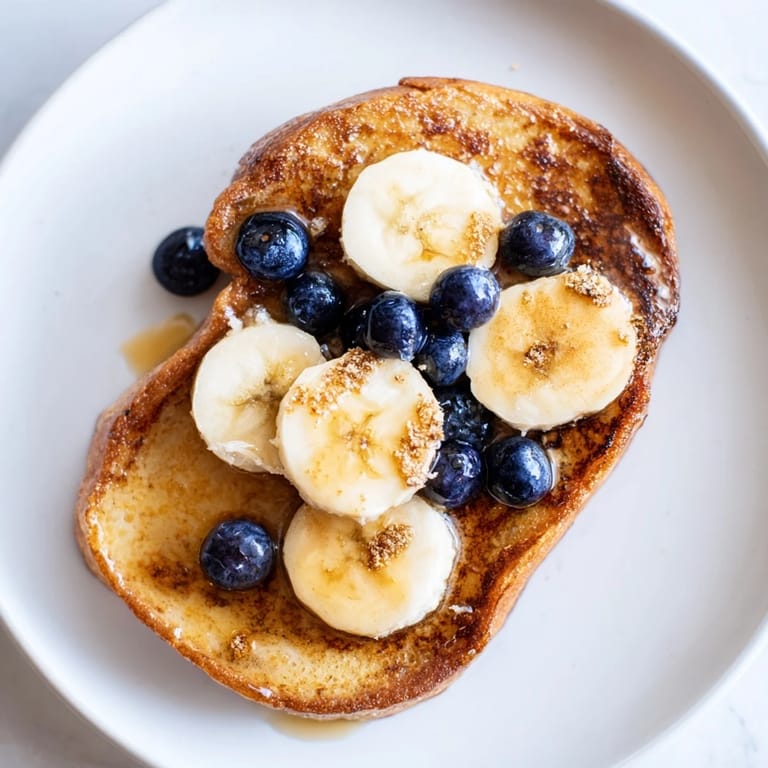
Save There's something about the smell of butter hitting a hot skillet that instantly makes a Saturday morning feel like it matters. I stumbled onto this protein French toast recipe on a Tuesday when I was tired of the same sad gym snacks and craving something that actually tasted like breakfast. The first time I made it, I worried the Greek yogurt would make it taste tangy or weird, but instead it created this impossibly custardy center that made me understand why French toast had been beloved for centuries.
I made this for my roommate one Sunday, and she asked for the recipe before even finishing her plate—that's when I knew it was something special. She'd been struggling with staying full through her morning runs, and suddenly this became her pre-dawn ritual. Watching someone actually get excited about breakfast because of something you cooked hits differently.
Ingredients
- Whole grain or brioche bread: Slightly stale bread soaks up the custard without falling apart, and brioche gives you that cloud-like interior while whole grain keeps things honest nutritionally.
- Large eggs: These are the structure of everything—get good ones if you can, because you taste them.
- Milk: Dairy or almond both work, but whole milk creates a richer custard if that's what you're after.
- Greek yogurt or cottage cheese: This is the secret—it adds protein, tang, and a texture that makes the center creamy instead of rubbery.
- Protein powder: Vanilla hides better than unflavored, and vanilla never fights with cinnamon.
- Maple syrup or honey: Just enough sweetness that you're not eating a savory egg bread, but not so much it becomes dessert.
- Vanilla extract: One teaspoon is enough to make people ask what your secret is.
- Ground cinnamon: A half teaspoon adds warmth without making it taste like pumpkin spice season.
- Unsalted butter or coconut oil: Butter browns better, but coconut oil works if that's what you have.
Tired of Takeout? 🥡
Get 10 meals you can make faster than delivery arrives. Seriously.
One email. No spam. Unsubscribe anytime.
Instructions
- Mix the custard base:
- Whisk eggs, milk, yogurt, protein powder, maple syrup, vanilla, cinnamon, and salt in a large bowl until it's completely smooth—any lumps of powder will taste gritty, so take an extra ten seconds here. You want a consistency that coats the back of a spoon.
- Heat your cooking surface:
- Get your skillet to medium heat with half the butter melting in, until it foams and smells nutty but hasn't started browning. This takes about two minutes and matters more than you'd think.
- Soak the bread strategically:
- Dip each slice for about ten to fifteen seconds per side—fast enough that it doesn't turn into mush, slow enough that it actually absorbs the mixture. You want it wet but not dripping.
- Cook until golden and custardy:
- Place bread on the hot skillet and cook for two to three minutes per side until the outside is golden and the center jiggles just slightly when you shake the pan. If it's cooking too fast and burning before the center cooks, lower your heat.
- Serve immediately with toppings:
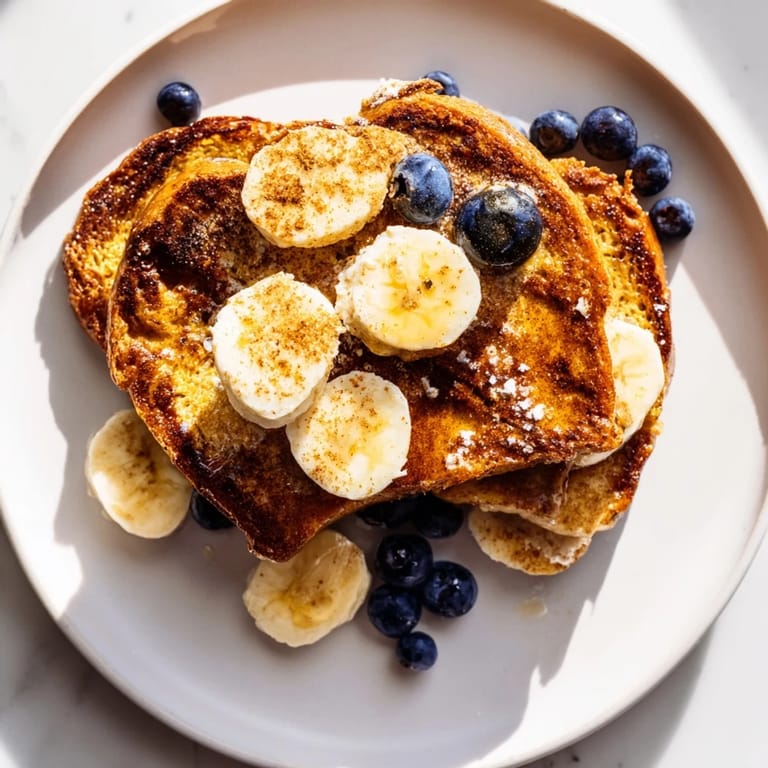
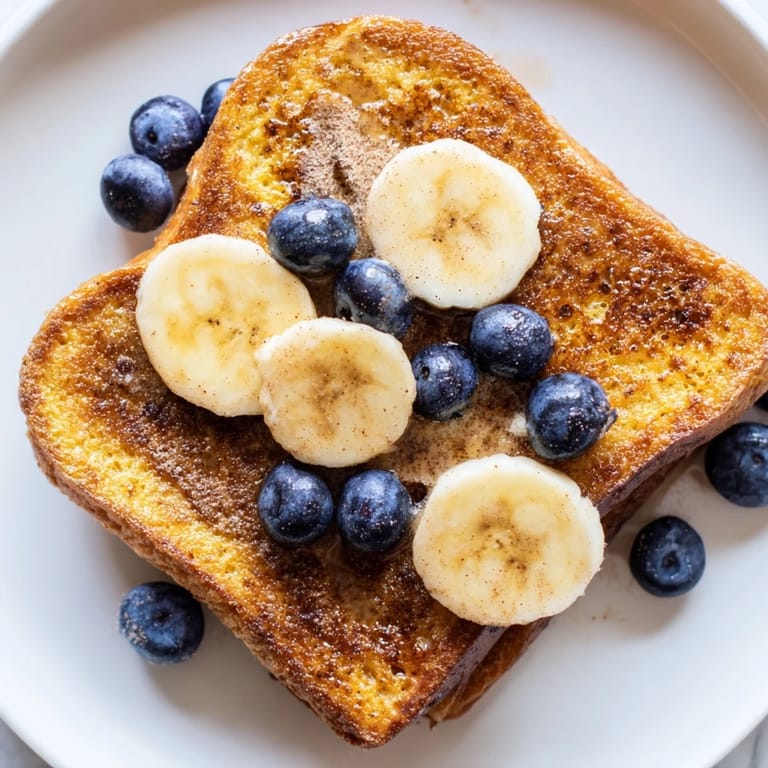
- Fresh berries, sliced bananas, a dollop of Greek yogurt, or more maple syrup—serve right away while the interior is still warm and the edges are still crispy.
 Save
Save There was a morning last month when I made this for someone I wanted to impress, and they came back to the kitchen asking if I'd studied cooking secretly. It wasn't the technique—it was that this recipe tastes effortless and indulgent at the same time, which is maybe the whole point of French toast anyway.
The Protein Powder Question
I was skeptical about protein powder in a sweet breakfast dish until I realized it dissolves completely and actually enhances the custardy texture instead of competing with it. Vanilla-flavored powder integrates so smoothly that people rarely guess it's there, and it pushes the protein content to legitimate post-workout territory without any chalky aftertaste.
Why Greek Yogurt Changes Everything
Most French toast recipes rely entirely on eggs for structure and richness, but adding Greek yogurt creates a texture that's closer to custard than scrambled eggs. It sounds weird on paper, but the tang balances sweetness perfectly and adds enough body that you actually feel full for hours afterward. I've made this both ways, and the yogurt version is what I return to.
Making It Work for Your Life
This recipe adapts without complaint—swap the bread type based on what you have, use cottage cheese if yogurt isn't around, and experiment with toppings that matter to your mornings. The framework stays solid even when you're improvising.
- For a dairy-free version, use unsweetened oat milk and dairy-free yogurt without changing anything else.
- If you're batch cooking for the week, these reheat perfectly in a 300-degree oven for about five minutes.
- Double the custard mixture and freeze extra slices individually wrapped in plastic, then toast them straight from frozen in a toaster oven.
 Save
Save This is the kind of recipe that becomes part of your rotation because it works—it tastes special, it actually keeps you full, and it takes less time than ordering takeout. That's the whole thing right there.
Recipe FAQs
- → Can I use dairy-free milk in the mixture?
Yes, unsweetened almond milk or other plant-based milks work well and maintain the custardy texture.
- → What type of bread suits best for soaking?
Whole grain or brioche bread, slightly stale, absorbs the mixture better without falling apart.
- → How do I prevent the toast from sticking while cooking?
Use a nonstick skillet and add unsalted butter or coconut oil before cooking each batch.
- → Can I add more protein to the toast?
Yes, increase the protein powder amount or choose high-protein bread options for extra nutrition.
- → What toppings complement this custardy toast?
Fresh berries, sliced bananas, extra Greek yogurt, and maple syrup enhance flavors and texture.