 Save
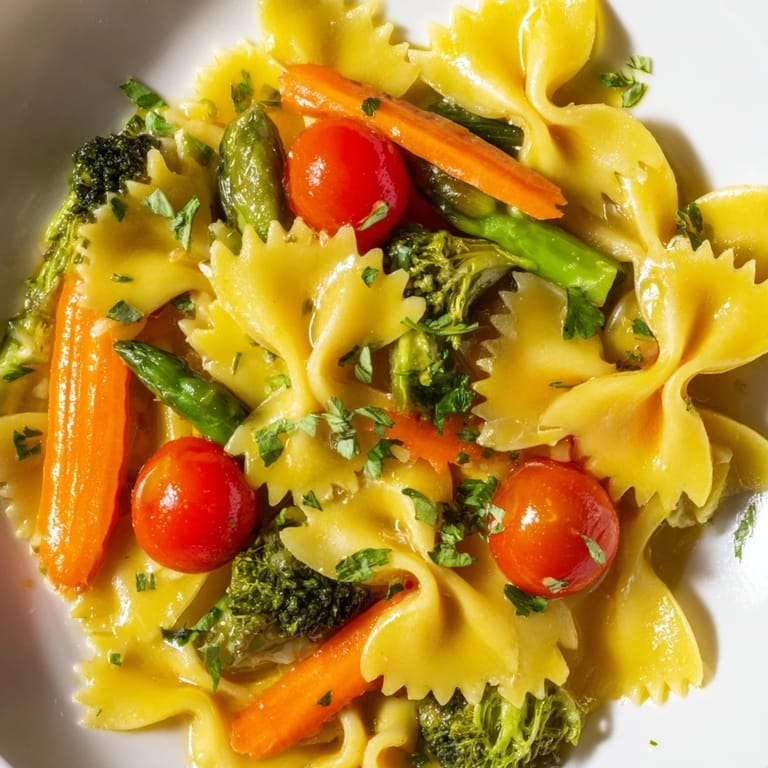
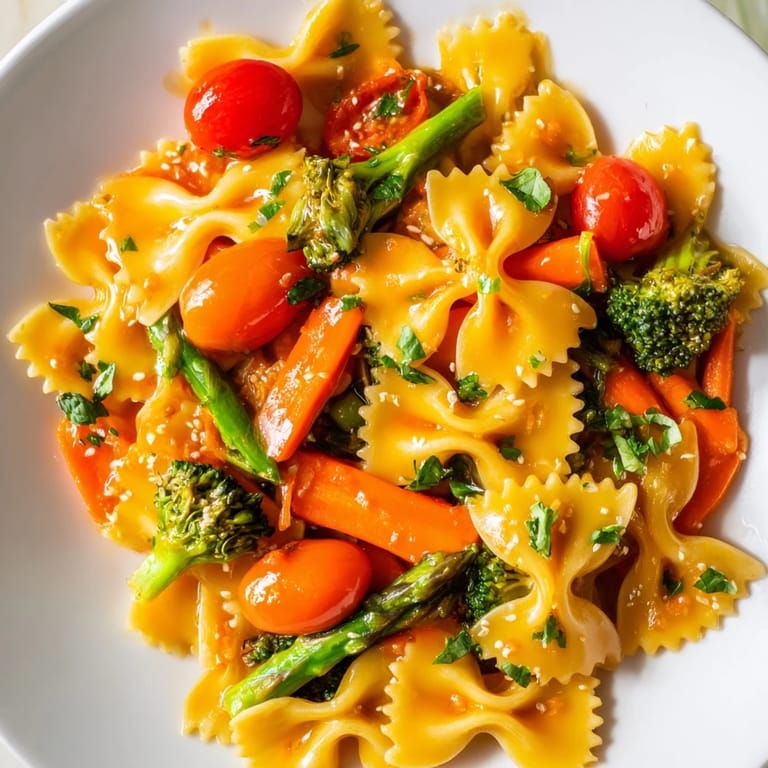
Save My neighbor knocked on the door one April evening holding a canvas bag bursting with vegetables from her garden. She apologized for the overflow, but I saw opportunity. I pulled out a box of farfalle and started chopping, and within the hour, we were sitting on my back porch with bowls of this rainbow pasta, laughing about how good food never needs an invitation. That spontaneous dinner became my go-to whenever the farmers market tempts me with too many colors to resist.
I made this for a potluck where everyone else brought casseroles and baked dishes. Mine was the only cold salad-style pasta, and I worried it would look too simple. But people kept coming back, asking what was in the dressing, surprised when I said it was just olive oil and lemon. Sometimes the brightest dishes are the ones that dont try too hard.
Ingredients
- Bow-tie pasta (340 g): The ridges and folds catch bits of vegetable and sauce perfectly, and they look cheerful on the plate.
- Cherry tomatoes (1 cup, halved): They burst slightly when warmed, releasing sweet juice that becomes part of the sauce.
- Asparagus (1 cup, cut into 1-inch pieces): Look for firm stalks with tight tips, and snap off the woody ends before cutting.
- Red bell pepper (1 cup, thinly sliced): Adds a mild sweetness and a pop of color that makes the whole dish feel alive.
- Yellow squash (1 cup, sliced into half-moons): Softens quickly and soaks up garlic flavor without turning mushy if you dont overcook it.
- Broccoli florets (1 cup): Small florets cook evenly and add a slight bitterness that balances the sweetness of the other vegetables.
- Carrots (1 cup, julienned): Thin strips cook faster and add a gentle crunch and earthiness.
- Red onion (1/2 cup, thinly sliced): Mellows when sautéed, adding a subtle sharpness without overpowering.
- Frozen peas (1/2 cup): They thaw in seconds and bring a touch of spring sweetness.
- Extra-virgin olive oil (3 tbsp): Use good quality oil here, it becomes the base of your sauce and carries all the other flavors.
- Garlic (3 cloves, minced): Fresh garlic blooms in the oil and perfumes the entire dish.
- Crushed red pepper flakes (1/2 tsp, optional): Just enough to add warmth without making it spicy.
- Sea salt (1/2 tsp, plus more): Seasons the vegetables as they cook and helps them release their natural sweetness.
- Black pepper (1/4 tsp, freshly ground): Adds a gentle bite that wakes up the other flavors.
- Lemon zest (from 1 lemon): The oils in the zest carry bright citrus aroma that olive oil alone cant provide.
- Fresh lemon juice (2 tbsp): Brightens everything and cuts through the richness of the oil.
- Parmesan cheese (1/4 cup, grated, optional): Adds a salty, nutty finish that makes it feel more indulgent.
- Fresh basil (2 tbsp, chopped): Smells like summer and adds an herbal sweetness.
- Fresh parsley (2 tbsp, chopped): A fresh, grassy note that balances the richness and adds color.
Tired of Takeout? 🥡
Get 10 meals you can make faster than delivery arrives. Seriously.
One email. No spam. Unsubscribe anytime.
Instructions
- Boil the pasta:
- Bring a large pot of salted water to a rolling boil and cook the farfalle until al dente, usually about 10 to 11 minutes. Scoop out half a cup of the starchy pasta water before draining, it will help create a silky sauce later.
- Start the garlic base:
- While the pasta bubbles away, heat 2 tablespoons of olive oil in a large skillet over medium heat and add the minced garlic and red pepper flakes. Let them sizzle gently for about a minute until the garlic turns fragrant and just barely golden.
- Cook the hearty vegetables first:
- Add the carrots, broccoli, and asparagus to the skillet and sauté for 3 to 4 minutes, stirring occasionally. These vegetables need a head start because they take longer to soften.
- Add the softer vegetables:
- Toss in the red onion, bell pepper, yellow squash, and a pinch of salt, then sauté for another 3 to 4 minutes. You want them tender but still bright and slightly crisp.
- Finish with tomatoes and peas:
- Stir in the cherry tomatoes and frozen peas and cook for just 2 minutes until warmed through. The tomatoes will start to release their juice, and the peas will brighten up instantly.
- Toss everything together:
- Add the drained pasta to the skillet along with the remaining tablespoon of olive oil, lemon zest, and lemon juice. Toss everything together, adding splashes of reserved pasta water until the sauce clings to the pasta and vegetables in a glossy, light coating.
- Season and garnish:
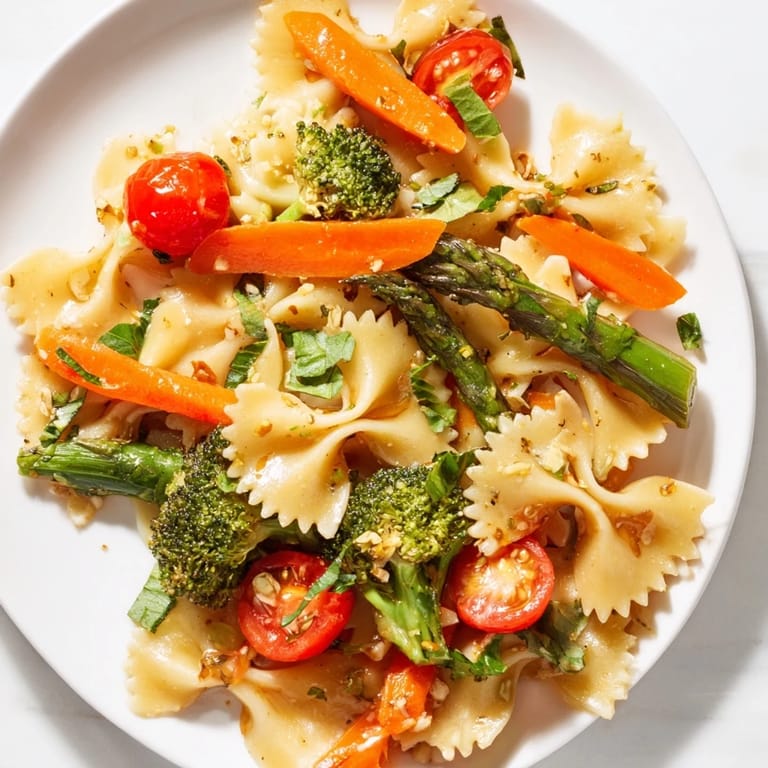
- Taste and add more salt and black pepper as needed, then remove from heat and toss with Parmesan, fresh basil, and parsley. Serve immediately while everything is warm and vibrant.
 Save
Save One summer evening, I served this to a friend who claimed she didnt like vegetables. She finished her bowl and asked for seconds, then admitted she forgot she was eating healthy food. Thats when I realized this dish doesnt lecture anyone about nutrition, it just tastes good and happens to be full of vegetables.
Choosing Your Vegetables
The beauty of this recipe is that its more of a method than a strict formula. I have swapped in zucchini when I didnt have squash, used sugar snap peas instead of frozen, and once added roasted red peppers from a jar when I was short on time. The key is balancing softer vegetables like tomatoes and squash with firmer ones like carrots and broccoli so everything finishes cooking at the same time. If youre using something delicate like spinach or arugula, toss it in at the very end so it just wilts from the residual heat.
Making It a Full Meal
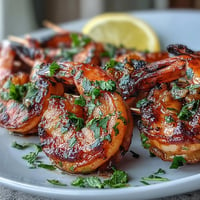
This pasta is satisfying on its own, but Ive also served it alongside grilled chicken thighs or sautéed shrimp when I needed something heartier. A friend of mine stirs in white beans for extra protein and creaminess, and it works beautifully. If youre feeding kids or picky eaters, sometimes a sprinkle of extra Parmesan or a drizzle of good balsamic glaze can win them over. The dish is flexible enough to meet people where they are.
Storing and Enjoying Leftovers
I always make the full batch even when Im cooking for two because this pasta keeps well in the fridge for up to three days. The flavors deepen overnight as the lemon and garlic soak into the vegetables and pasta. You can eat it cold straight from the fridge like a pasta salad, or gently reheat it in a skillet with a splash of water or broth to loosen it up.
- Store in an airtight container and add a drizzle of olive oil before sealing to keep the pasta from drying out.
- If reheating, do it gently over low heat and avoid the microwave if you want to preserve the texture of the vegetables.
- Fresh herbs lose their brightness after a day, so save some extra basil or parsley to toss in just before serving leftovers.
 Save
Save This is the kind of recipe that makes you feel good while you cook it and even better after you eat it. It reminds me that sometimes the best meals are the ones that let the ingredients speak for themselves.
Recipe FAQs
- → How do I keep the vegetables crisp and vibrant?
Add vegetables in stages based on cooking time - harder vegetables like carrots and broccoli first, then softer ones like bell peppers and tomatoes last. This ensures even cooking while maintaining texture and color. Stop cooking once vegetables are tender-crisp, not soft.
- → Can I prepare this dish ahead of time?
While best served fresh, you can prepare ingredients ahead. Cook pasta and vegetables separately, then combine just before serving with the lemon dressing. This prevents the pasta from absorbing too much liquid and becoming mushy.
- → What can I substitute for bow-tie pasta?
Any short pasta shape works well - penne, fusilli, or orecchiette all hold the vegetables and sauce beautifully. Choose shapes with ridges or curves to trap the light garlic oil and lemon juice for better flavor distribution.
- → How do I make this vegan?
Simply omit the Parmesan cheese or use a plant-based alternative. All other ingredients are naturally vegan. The olive oil-based sauce and fresh herbs provide plenty of rich flavor without dairy.
- → Can I add protein to this dish?
Yes, grilled chicken, shrimp, or white beans work excellently. Add grilled proteins after vegetables are cooked, or stir in beans during the final tossing step. This transforms it into a more substantial main course.
- → What's the purpose of reserving pasta water?
Pasta water contains starch that emulsifies with the olive oil, creating a silky sauce that coats each piece of pasta. Adding it gradually helps achieve the right consistency without making the dish overly heavy or oily.