 Save
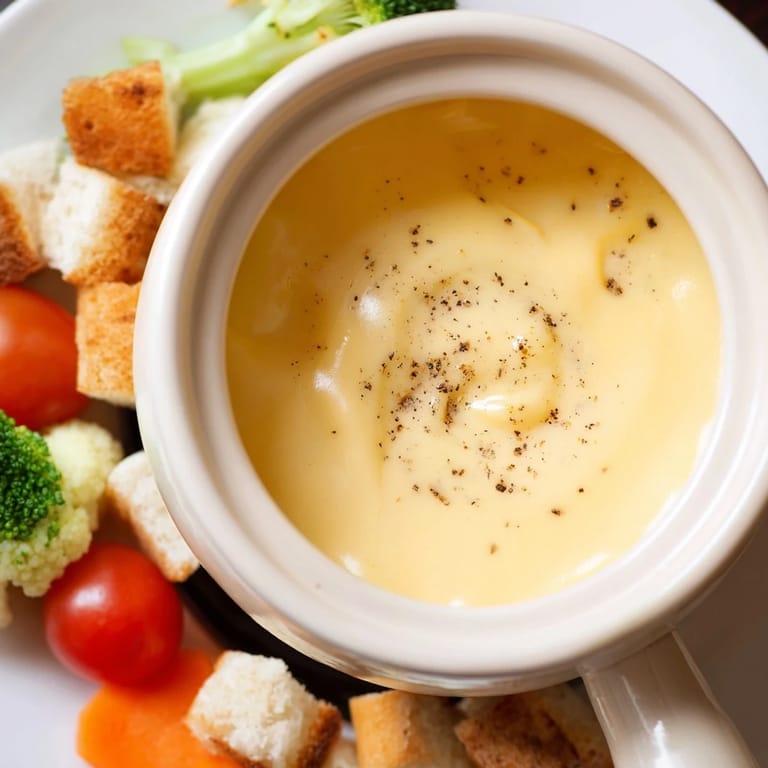
Save There's something about standing around a bubbling pot of melted cheese with friends that just stops time. The first time I made fondue wasn't planned—I had too much good cheese in my fridge and a Swiss wine that was calling for something special. I found an old fondue pot at a thrift store and figured, why not? Two hours later, we were still gathered around the table, laughing and fishing for bread cubes. That night taught me that fondue isn't really about the cheese; it's about creating a reason for everyone to slow down together.
I remember my neighbor Karen watching me carry the fondue pot to a dinner party and asking if I really knew what I was doing. Twenty minutes later, she was the one refusing to leave the table, strategizing the perfect bread-to-cheese ratio with military precision. She brought a bottle of Fendant the next time and we made fondue again. Now it's our tradition whenever the weather turns cold.
Ingredients
- Gruyère cheese, grated (200 g): This is the backbone of your fondue—it melts beautifully and brings a slightly nutty warmth that makes everything taste intentional.
- Emmental cheese, grated (200 g): Where Gruyère is the serious partner, Emmental adds sweetness and helps the whole mixture stay silky and smooth.
- Dry white wine (1 cup/240 ml): The wine isn't just flavor; it's the medium that lets the cheese melt evenly without breaking or becoming grainy.
- Kirsch, cherry brandy (1 tbsp/15 ml, optional): A tiny splash that tastes like a secret ingredient—it adds depth that people will taste but won't be able to name.
- Cornstarch (1 tbsp/8 g): This is your safety net; it prevents the cheese from separating and keeps everything creamy.
- Garlic clove, halved: Just a whisper of garlic that seasons the pot without overwhelming the delicate cheese flavors.
- Freshly grated nutmeg (1/4 tsp): A small amount that somehow brings out every good thing about the cheese.
- Ground white pepper (1/4 tsp): Use white pepper instead of black so your fondue stays beautifully pale and the spice doesn't announce itself.
- Bread cubes (from 1 baguette): Slightly stale bread holds onto forks better and soaks up the cheese without falling apart.
- Blanched vegetables (broccoli, cauliflower, carrots, and cherry tomatoes): The vegetables provide freshness and texture contrast, giving everyone options beyond bread.
Tired of Takeout? 🥡
Get 10 meals you can make faster than delivery arrives. Seriously.
One email. No spam. Unsubscribe anytime.
Instructions
- Season the pot with garlic:
- Rub the inside of your fondue pot with the cut garlic clove and discard it—you want the ghost of garlic, not chunks.
- Heat the wine gently:
- Pour the wine into the pot and let it warm over medium-low heat until it just barely simmers, releasing a gentle steam.
- Coat the cheese:
- Toss your grated cheeses with cornstarch in a small bowl until every piece is lightly dusted—this step is what prevents the cheese from clumping.
- Add cheese to wine in stages:
- Add a handful of cheese mixture to the hot wine and stir in a figure-eight motion until melted and smooth before adding more—patience here saves everything.
- Season and finish:
- Stir in kirsch (if using), nutmeg, and white pepper until the fondue tastes balanced and smells incredible.
- Keep it warm and ready:
- Move the pot to a tabletop burner set to low and set out all your dipping items—never let it boil, which would ruin the texture.
 Save
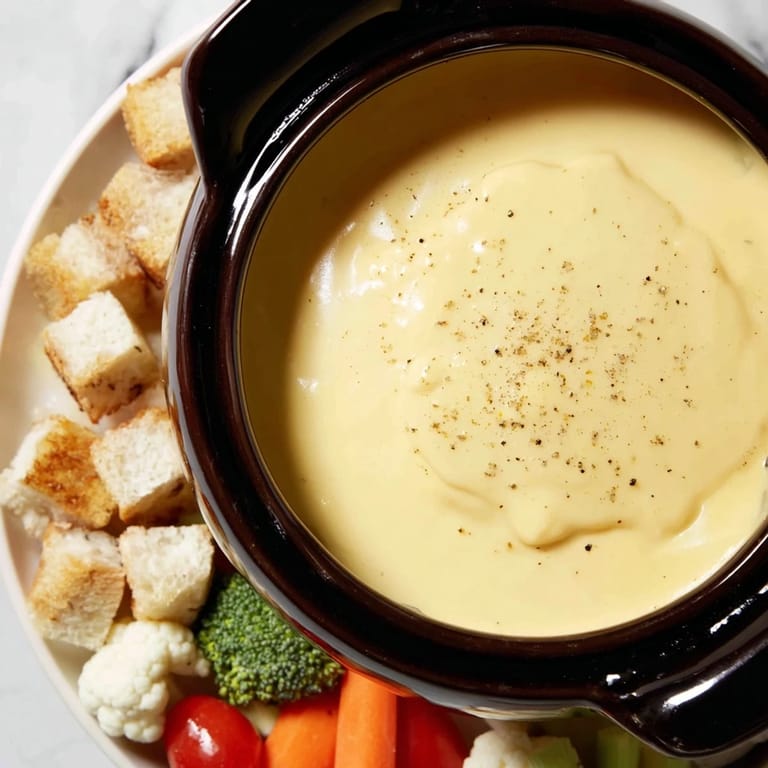
Save The moment I'll never forget is when my five-year-old nephew managed to fish up an entire cube of bread without losing it off the fork. He looked at me like he'd accomplished something monumental, and honestly, he had. That's when I realized fondue isn't about perfection—it's about small victories and the warmth of doing something together.
What Makes Swiss Fondue Different
Swiss fondue isn't just melted cheese in a pot—it's a technique that's been perfected over centuries in mountain villages where cheese was currency and winter was long. The specific combination of Gruyère and Emmental, the wine, the precise temperature—these aren't arbitrary choices. They're the result of generations learning exactly what tastes good together and what actually works. When you make fondue this way, you're tapping into something real.
The Ritual of Eating Together
There's something about fondue that slows people down in a world that's always rushing. Everyone at the table has to be present and patient, waiting for their turn, watching the pot, making sure nothing falls off someone's fork. Conversations get better. Laughter comes easier. Kids who usually rush through dinner will sit for an hour without noticing the time.
Variations and Flavor Twists
Once you've made classic Swiss fondue a few times, you might start experimenting—a touch of Appenzeller for sharper flavor, a splash of white wine instead of kirsch, or adding a tiny bit of truffle oil. Some nights I make it darker and earthier; other times I keep it pure and simple. The beauty is that once you understand the technique, the recipe becomes a starting point.
- Add a small handful of chopped fresh herbs like thyme or sage for herbal notes that complement the cheese.
- Try pairing different bread types like pumpernickel or sourdough with your regular white bread for more complex flavors.
- Offer mushrooms and thinly sliced apples alongside vegetables for guests who want something different to dip.
 Save
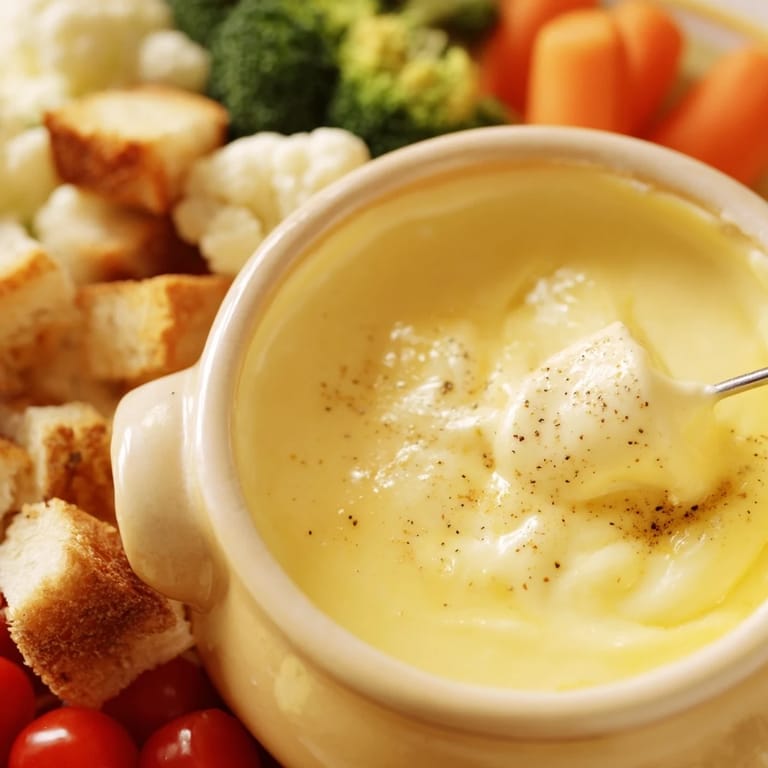
Save Every time I make fondue now, I think of all the nights spent around that pot—the conversations, the small moments of connection. It's become less about the recipe and more about the excuse to gather. That's the real magic of this dish.
Recipe FAQs
- → What cheeses are used in this fondue?
Gruyère and Emmental cheeses provide a rich, creamy texture and characteristic nutty flavor.
- → Can I substitute the wine in this dish?
A dry white Swiss wine like Fendant is ideal, but a light lager beer can be used if preferred.
- → What is the purpose of kirsch in this dish?
Kirsch adds a subtle cherry brandy note that deepens the flavor, though it can be omitted without loss of quality.
- → How do I prevent the melted cheese from clumping?
Coating grated cheese in cornstarch and stirring continuously in a figure-eight motion helps maintain a smooth consistency.
- → What are recommended dippers for this cheese blend?
Rustic bread cubes, blanched broccoli, cauliflower, cherry tomatoes, and baby carrots offer ideal textures and flavors for dipping.